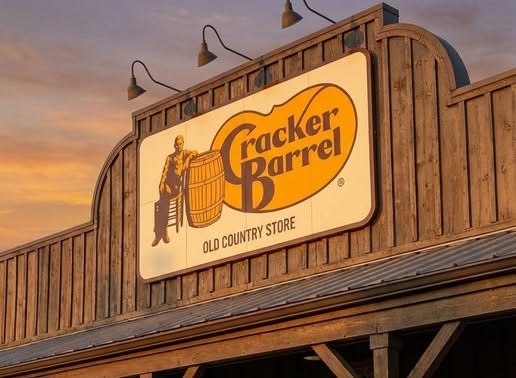
The backlash revealed something larger than décor preferences. It highlighted the delicate relationship between nostalgia and business evolution. When customers feel emotionally connected to a brand, even minor visual changes can feel personal. In many ways, people were not simply reacting to a logo or paint colors — they were reacting to the fear of losing memories attached to those spaces.
Recognizing the growing frustration, company leaders began quietly adjusting their strategy. While continuing to modernize operations behind the scenes, Cracker Barrel also started restoring certain classic design elements customers associated with comfort and tradition. Familiar textures, decorative pieces, and vintage-inspired details slowly returned in ways that reassured loyal diners without completely halting progress.
At the same time, the company faced scrutiny over internal employee travel guidance after reports surfaced suggesting workers were encouraged to dine at company locations during business trips. Although executives clarified that these recommendations were guidelines rather than strict requirements, the situation raised broader conversations about transparency, reimbursement policies, and workplace culture. In response, the company reportedly worked to improve communication and clarify expectations internally.
The challenges facing Cracker Barrel reflect a reality many iconic brands eventually encounter: staying exactly the same can risk becoming outdated, but changing too quickly can damage the emotional loyalty that built success in the first place.
Today, the company continues trying to balance both worlds — preserving the atmosphere longtime customers cherish while adapting to the expectations of modern diners. It is a difficult balance, especially in an era where social media amplifies every customer reaction instantly.
Still, the story of Cracker Barrel offers an important lesson for businesses everywhere. Brands do not become iconic through products alone. They become iconic because people attach memories, traditions, and emotions to them. And once that emotional connection exists, every change carries far more weight than companies sometimes expect.
Do you think classic brands should stay true to tradition or evolve with modern trends? Share your thoughts in the comments and join the conversation.