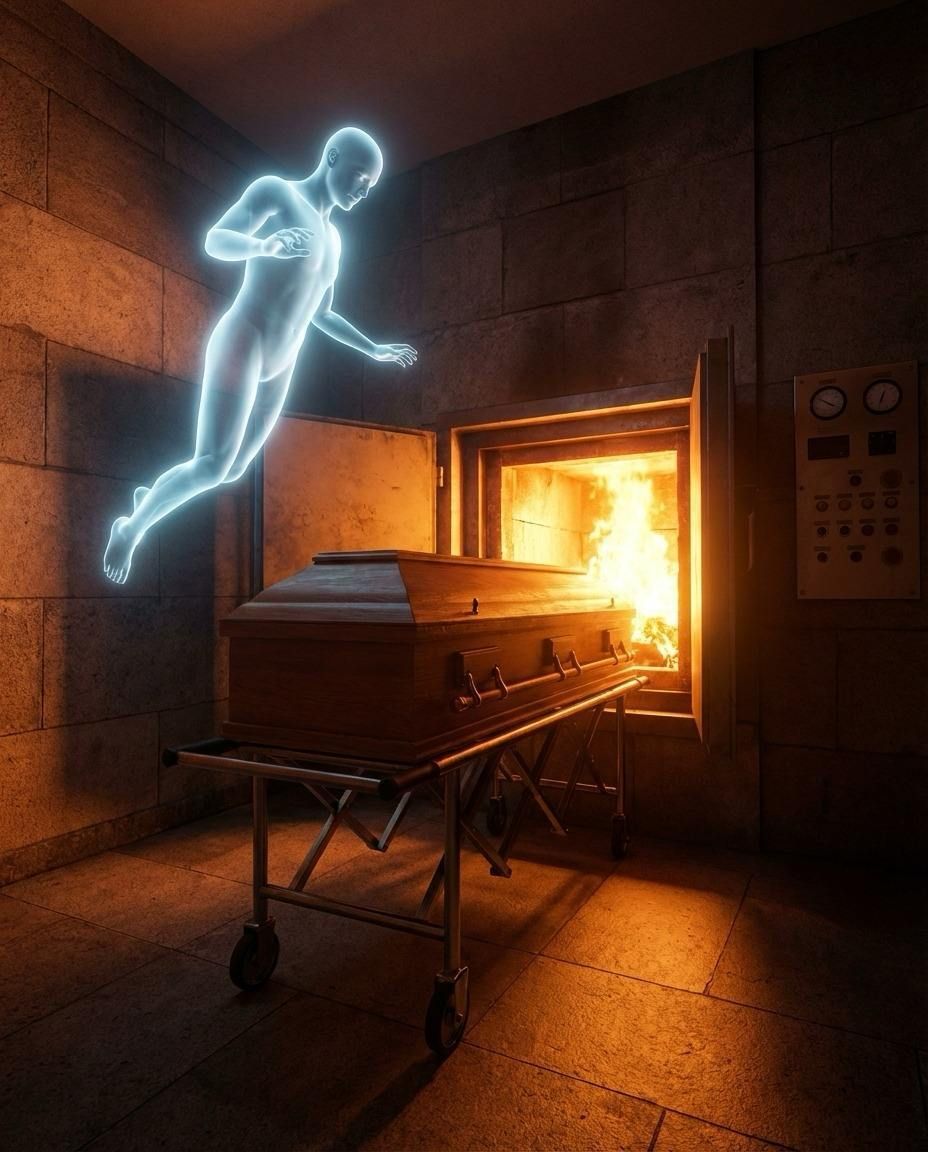
From this perspective, the method of laying a body to rest is secondary to the faith and hope that life continues beyond the earthly realm.
Intentional Choices Carry Spiritual Weight
Faith leaders emphasize that intention matters more than method. Families may choose cremation for simplicity, cost, location, or to honor the wishes of a loved one. When done thoughtfully and reverently, cremation is widely seen as compatible with belief.
Concerns typically arise only when choices contradict deeply held spiritual convictions. Otherwise, the heart behind the decision carries more meaning than whether ashes or a casket are present.
Conscience and Evolving Traditions
Many churches encourage believers to follow their conscience in end-of-life decisions, reflecting the biblical principles of sincerity, humility, and trust. Respect for the body remains important, whether through prayers, memorials, or shared stories.
Even concerns about resurrection can be addressed through faith. The God who formed life from dust can restore life beyond human understanding. Traditions are valuable, but they are meant to serve faith, not replace it. Thoughtful evolution of these customs can preserve spiritual meaning while honoring individual choice.
Hope Over Method
Ultimately, decisions about cremation are less about the physical act and more about where hope is placed. Faith assures us that lasting peace does not rest in the ground or in ashes, but in the promise of life beyond this world.
What truly matters is not how the body is laid to rest, but how the soul rests in the assurance of God’s grace. For families and believers navigating these decisions, the focus remains on trust, reverence, and hope that transcends earthly limits.
Reflect, pray, and share these insights—help others explore how faith and final arrangements can coexist with meaning and hope.