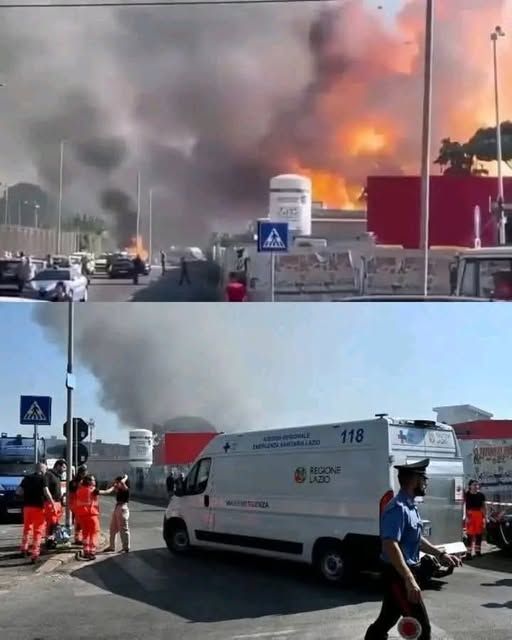
Human Toll
Early reports indicate that at least 15 people lost their lives in the blast and the resulting fire. Authorities warn that the death toll could rise as many injured remain in critical condition. More than 70 people suffered burns and smoke inhalation, straining the capacity of local hospitals and burn units. Families waited anxiously outside emergency rooms for news of loved ones caught in the disaster.
Damage Beyond the Highway
The explosion caused significant damage to nearby homes and businesses. Residents reported feeling tremors from the force of the blast, comparing it to a strong earthquake. For the communities near Iztapalapa and Chalco, the damage is both physical and emotional, leaving a lasting impact on the landscape and local residents.
Investigations and Safety Concerns
Officials are investigating potential causes, including driver error, mechanical failure, or excessive speed. Questions have also been raised about whether the tanker had the proper permits and insurance. The tragedy has reignited public debate about transporting hazardous materials through densely populated areas, with experts calling for stricter regulations and mandatory rerouting of fuel tankers.
Safety advocates warn that without reform, similar incidents could occur in the future. Many argue that the disaster highlights the need for stronger oversight and better planning to protect citizens.
Mourning and Calls for Change
In the days following the explosion, the Iztapalapa–Chalco highway has become a site of remembrance. Candlelight vigils and floral tributes honor those affected, serving as a reminder of the human cost of lapses in safety. Survivors and local leaders emphasize that reforms are urgently needed to prevent another tragedy.
As Mexico City comes to terms with this disaster, officials and citizens alike face the challenge of balancing industrial activity with the safety of the community, ensuring that such a catastrophe is not repeated.