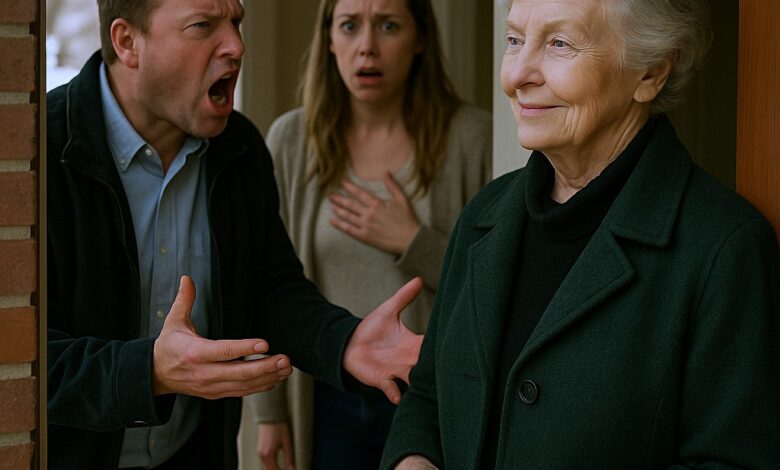
Rick stormed toward me, thrusting his phone inches from my face. “Declined!” he shouted. “Do you know how humiliating it is to be at a luxury dealership ready to buy a $90,000 SUV and get denied? You embarrassed me!”
A week ago, I would have apologized. I would have written a check. But that woman no longer existed.
“I didn’t make a mistake,” I said calmly. “I closed the account. Every dollar. Every asset. Three days ago. While you were shopping with my retirement money. It’s over.”
The silence was immediate and suffocating.
Tanya whispered, “Mom… you can’t do that. That’s our money. You’ll ruin us.”
“Ruin you?” I replied. “You already tried taking a second mortgage in my name. You spent tens of thousands gambling while telling me we couldn’t afford heat. You pawned your father’s watch. I’m not ruining you—I’m stopping you.”
Rick slammed the table. “You live under our roof!”
I laughed. “This house is in my name. You moved in because you were evicted. You’re not caretakers. You’re trespassers.”
Tanya dissolved into tears, the same performance she’d perfected over decades. “We did this for you. To manage things so you wouldn’t worry.”
“If this is love,” I said quietly, “I’d rather be alone.”
I locked myself in my bedroom, barricading the door as the memories flooded back. After my husband Arthur died, grief made me vulnerable. When Tanya said they were struggling, I thought family togetherness would heal us all. Instead, I was slowly erased.
Small financial favors turned into control. My accounts were “managed.” My needs were minimized. My memory was questioned. They hid my belongings and told me I was failing. They isolated me from friends—and from my granddaughter, Mia—claiming I was “confused.”
The illusion shattered ten days ago at an ATM.
I tried to withdraw $50 for Mia’s birthday card. The screen read: Insufficient Funds.
At the bank, a woman who had known my husband for years showed me the truth. Our life savings—$200,000—was gone. The balance: $42.
That moment woke something fierce inside me.
I called a lawyer. I moved what remained. I planned carefully. And now, as the storm rages and angry voices pound on my bedroom door, I feel calm.
I’m seventy-two years old. I’ve lost money, time, and trust—but not my strength.
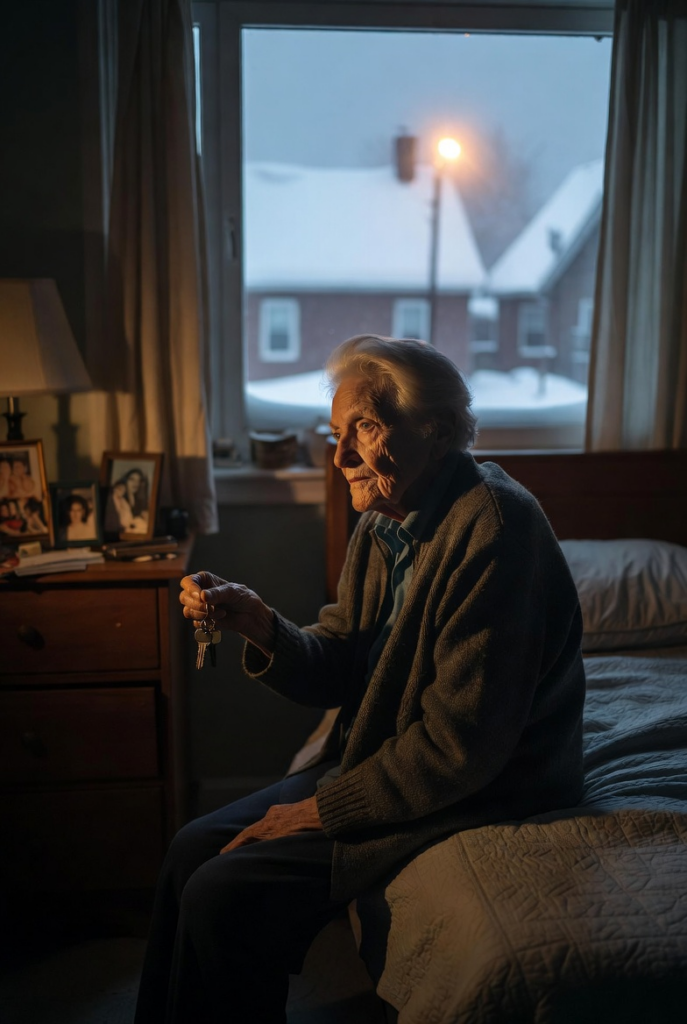
Tomorrow, I’ll call the police. Tomorrow, I’ll tell Mia the truth. Tomorrow, I take my house—and my life—back.
The storm is ending. And for the first time in years, I’m holding the keys.
What would you do in her place? Share your thoughts below and follow for more real-life stories of resilience, justice, and reclaiming power.