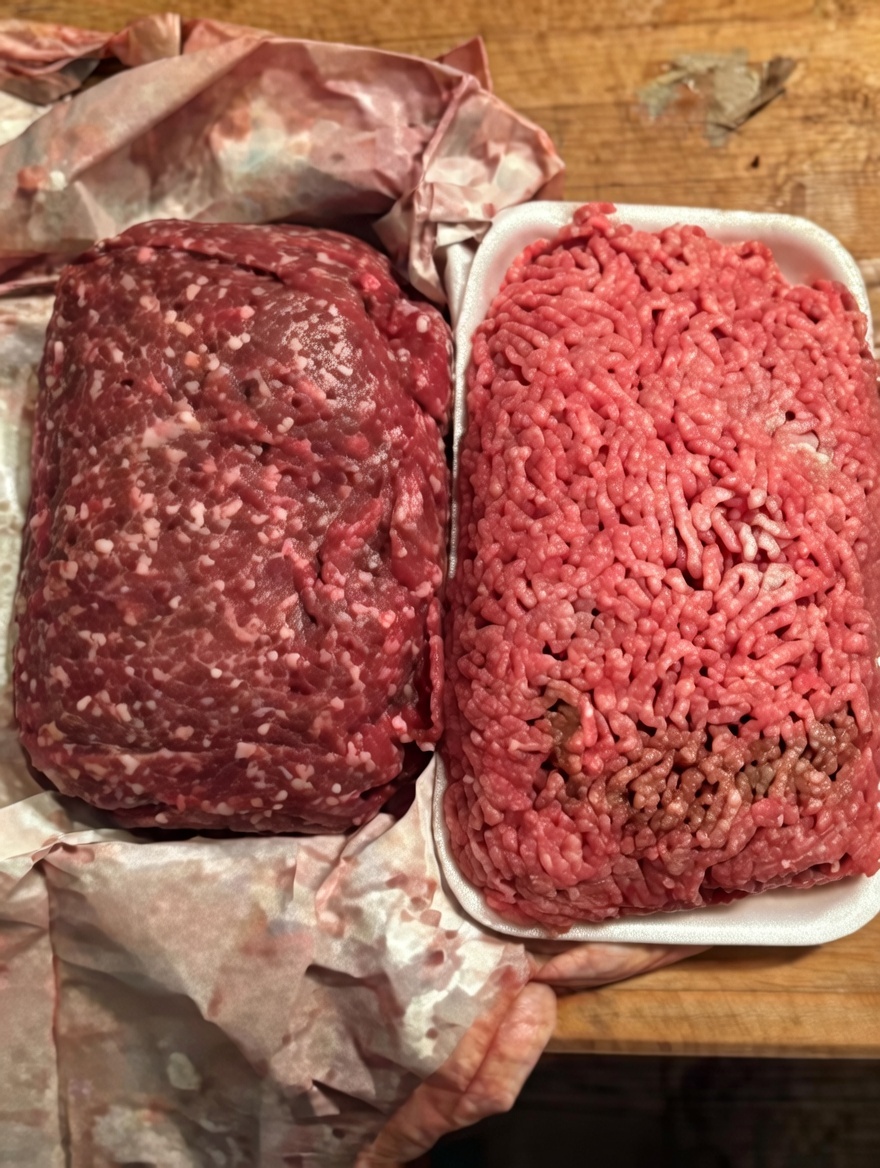
Experts were quick to speak out—not about safety, but transparency. Labels like “natural,” “enhanced,” or “processed” had already confused consumers, but now even premium labels could hide shortcuts and cost-cutting. One food safety expert summed it up bluntly: “The problem isn’t the meat. The problem is the lie.”
Supermarkets rushed to clarify they were unaware of the practices at supplier facilities and emphasized reliance on certifications, audits, and compliance. But shoppers didn’t care about corporate hierarchies—they cared that the food they trusted fell short. Parents, especially, felt betrayed.

“Premium should mean premium,” one mother said outside a market. “Not leftovers disguised under a fancy label.” Online, frustration exploded—photos, receipts, and videos documented meats shrinking in the pan or behaving unpredictably.
The larger lesson is clear: supply chains are complex, labels can be misleading, and transparency is critical. Experts advise consumers to read fine print, choose trusted brands, buy local when possible, and stay informed about recalls.
Regulators are reviewing distributor practices, and some fines may be coming. But trust, once broken, isn’t fixed with statements or coupons—it’s rebuilt with honesty, oversight, and accountability.
Until then, shoppers are paying closer attention than ever. And that’s a good thing—because informed consumers are the only force strong enough to demand transparency.
Have you noticed changes in your grocery meat? Share your experiences in the comments and join the conversation about food transparency!