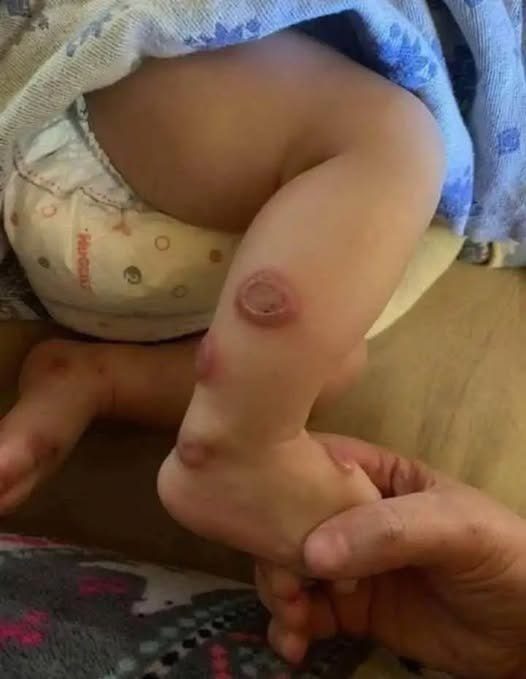
On their own, hives can sometimes be mild. But when they occur alongside any of the following symptoms, the situation becomes urgent:
- Shortness of breath
- Wheezing
- Tightness in the chest or throat
- Swelling of the lips, tongue, or face (known as angioedema)
- Dizziness or faintness
- Rapid heartbeat
These signs indicate that the body’s airway may be narrowing, making it harder to breathe. This is the critical point where immediate action is required.
What Can Trigger This Reaction?
Severe allergic responses can be caused by a wide range of triggers, including:
- Certain foods like nuts, shellfish, or dairy
- Medications such as antibiotics or pain relievers
- Insect stings from bees or wasps
- Environmental factors like latex or pollen
In some cases, people may experience a serious reaction even if they’ve never had allergies before. This unpredictability is part of what makes these events so dangerous.
The Risk of Waiting Too Long
A common mistake is assuming symptoms will pass on their own. Many people hesitate to seek help because they don’t want to overreact.
But in cases involving breathing changes, waiting can be risky. Severe allergic reactions can escalate quickly, leading to airway blockage or a dangerous drop in blood pressure.
By the time symptoms feel overwhelming, it may already be harder to respond effectively.
What To Do Immediately
If skin symptoms and breathing issues occur together, quick action is essential:
- Call emergency services right away
- Use an epinephrine auto-injector if available
- Keep the person lying down unless breathing becomes more difficult in that position
- Stay with them until help arrives
Epinephrine works by relaxing airway muscles and improving blood flow, making it the first-line treatment in these emergencies.
Not Every Rash Is Dangerous—But Stay Alert
It’s important to remember that most skin reactions are not life-threatening. Many people experience mild irritation or chronic skin conditions that don’t involve serious risk.
The key difference is breathing. When the respiratory system is affected, the situation changes immediately.
When in doubt, it’s always safer to treat symptoms seriously and seek medical evaluation.
The Bottom Line
Your body communicates through signals, and recognizing them early can make all the difference. What looks like a simple skin issue could, in rare cases, be part of a much larger reaction.
Understanding the connection between skin symptoms and breathing changes helps remove uncertainty and encourages faster, safer decisions.
Stay Informed, Stay Safe
If you found this guide helpful, share it with others and stay informed about important health signals. Awareness can make a life-saving difference—not just for you, but for someone around you.