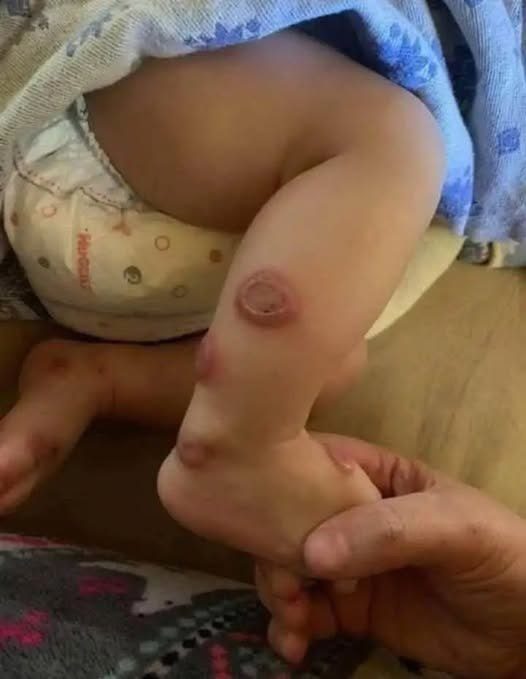
In severe allergic reactions, the immune system releases a flood of chemicals that can affect the entire body at once. The same process causing irritation on the skin can also begin affecting internal tissues—including the airways.
The critical turning point: breathing changes
The real danger begins when skin symptoms are joined by respiratory distress.
Shortness of breath, wheezing, chest tightness, or a feeling that the throat is closing are not separate issues—they are warning signs that swelling may be occurring inside the airway. In some cases, this can progress to angioedema, where swelling affects the lips, tongue, or face.
At this stage, the body is no longer dealing with a simple allergic reaction. It is entering a full-system emergency where oxygen flow may become restricted and blood pressure can drop rapidly.
This is the point where hesitation becomes risky.
Common triggers, unpredictable reactions
Severe allergic reactions can be triggered by a wide range of substances, including:
- Foods such as peanuts, shellfish, eggs, or dairy
- Medications like antibiotics or pain relievers
- Insect stings from bees or wasps
- Latex or environmental allergens
What makes anaphylaxis especially alarming is its unpredictability. Some individuals experience it during their first known exposure, while others may develop severe reactions after years of repeated, harmless contact with the same substance.
The immune system can change without warning.
Why people underestimate the danger
One of the greatest challenges in allergic emergencies is hesitation. Many people assume symptoms will pass or believe they are “not severe enough” to justify emergency care. That delay can be critical.
In anaphylaxis, time is measured in minutes—not hours.
Without prompt treatment, airway restriction, blood pressure collapse, or loss of consciousness can occur rapidly.
What immediate action looks like
When hives appear alongside breathing difficulty, medical guidance is clear:
- Call emergency services immediately
- Use an epinephrine auto-injector (if available) without delay
- Keep the person lying down unless breathing is worsened
- Avoid waiting to “see if it improves”
Epinephrine works quickly to open airways and stabilize circulation, but it is not a substitute for emergency medical care. It is a bridge to survival until professionals take over.
The key takeaway
Not every rash is dangerous. Most skin reactions are mild and temporary. But the combination of skin symptoms and respiratory changes should always be treated as a serious warning sign.
The body communicates through patterns, not single symptoms. When multiple systems react at once, it is often a sign that something urgent is happening beneath the surface.
In situations like these, caution is not overreaction—it is protection.
Final thought
Understanding the difference between a harmless skin irritation and a life-threatening allergic response can make all the difference. Recognizing the warning signs early, acting quickly, and never ignoring breathing changes can turn a potential tragedy into a manageable emergency.
If this information helped clarify what to watch for, consider sharing it. Awareness spreads faster than symptoms—and in emergencies, that awareness can save a life.