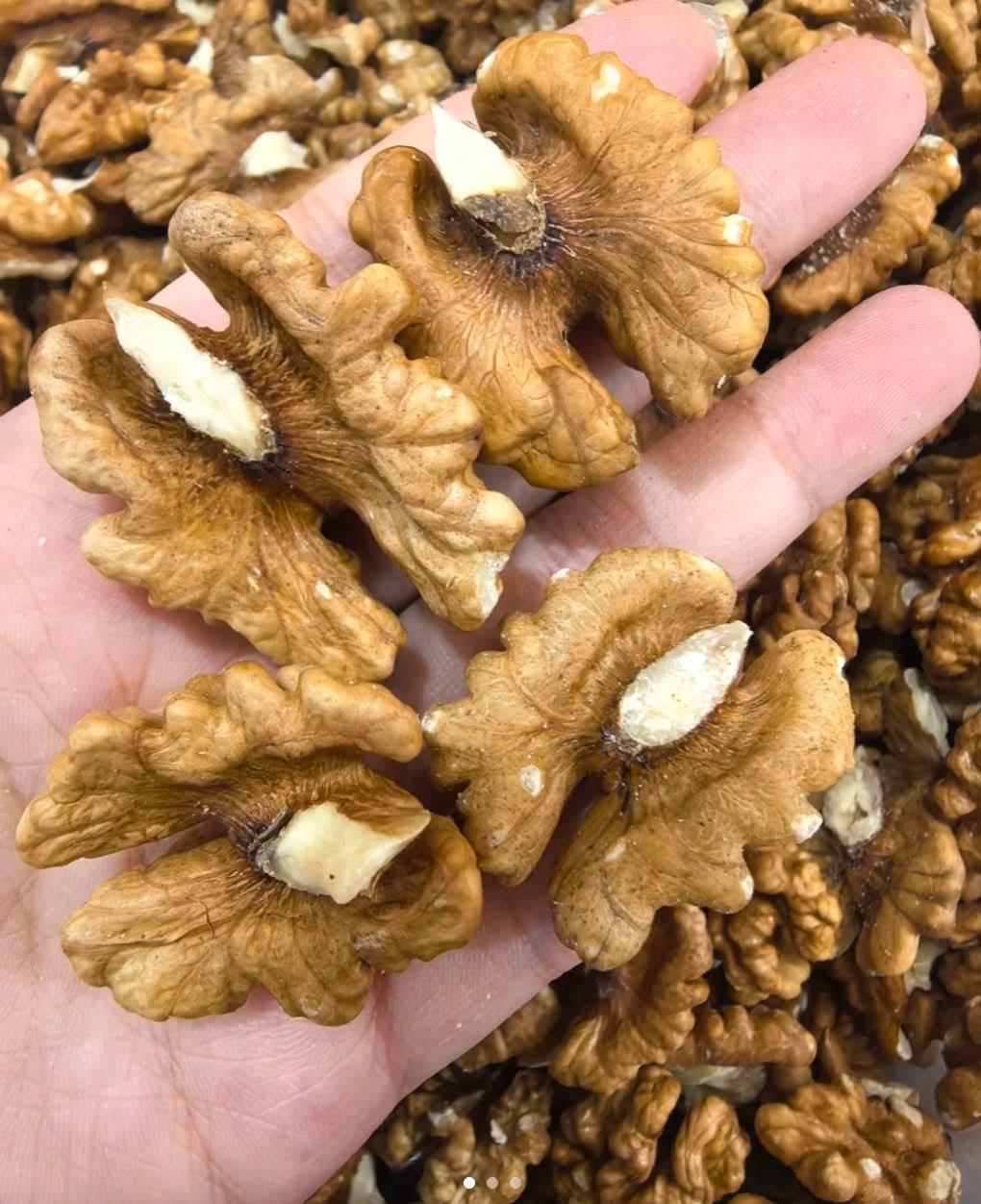
Walnuts may also help with blood sugar management and appetite control. Despite being calorie-dense, they can actually support healthier eating habits because they promote feelings of fullness and satisfaction. A small handful may help reduce cravings for highly processed snacks loaded with sugar, salt, and unhealthy fats. Stable energy and improved satiety can make it easier for people to maintain balanced eating patterns throughout the day.
Adding walnuts to your routine does not require dramatic dietary changes. Their mild, earthy flavor works well in many meals and snacks. Some people sprinkle chopped walnuts over oatmeal or yogurt in the morning. Others blend them into smoothies, mix them into salads, or add them to baked dishes for extra texture and nutrition. They can also be enjoyed on their own as a convenient snack.
Experts generally recommend eating walnuts raw or only lightly toasted whenever possible. Excessive heat can damage delicate healthy fats and reduce some nutritional benefits. Portion size also matters. A modest daily serving — often around a small handful — is usually enough to gain benefits without overconsuming calories.
Of course, no single food can guarantee perfect health. But consistently making small, nutritious choices can have a meaningful impact over time. Replacing heavily processed snacks with nutrient-rich options like walnuts may quietly improve heart health, energy balance, and overall wellness in ways that build gradually year after year.
Simple habits are often the ones that last longest — and sometimes the smallest dietary changes create the biggest long-term rewards.
Do you include walnuts or other healthy nuts in your daily diet? Share your favorite ways to enjoy them in the comments below.