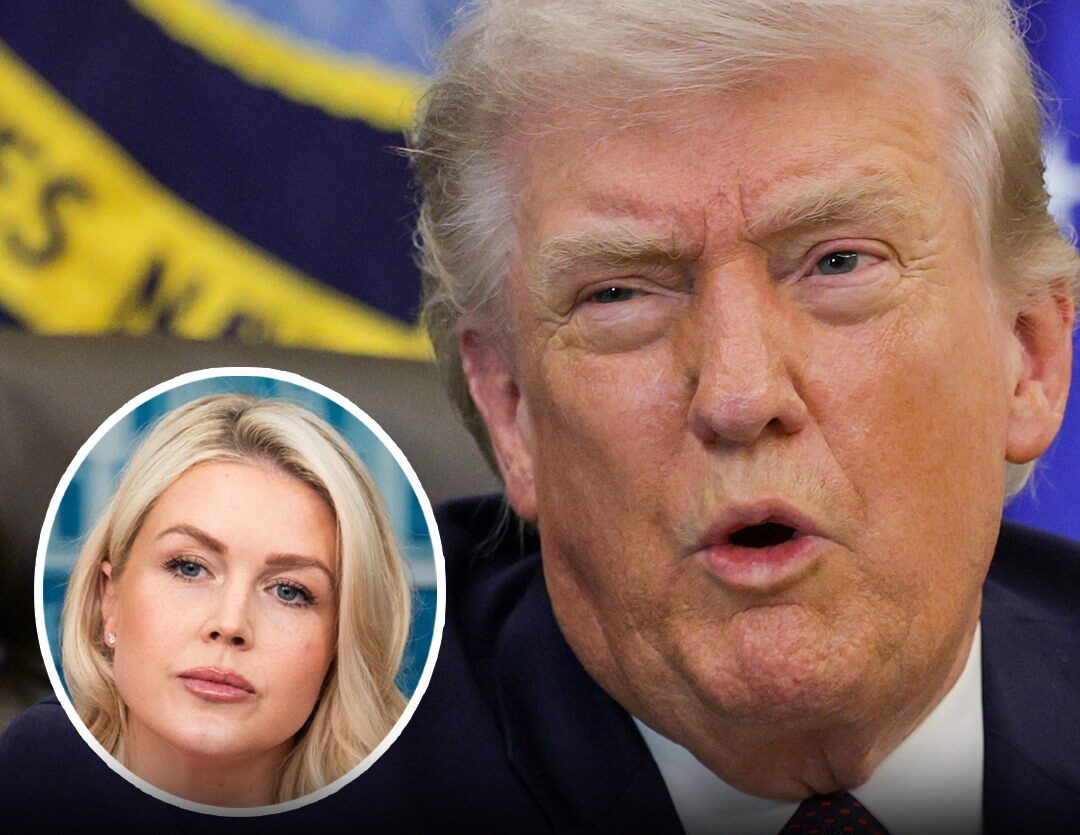
Experts say such dynamics reflect a broader governing style characterized by rapid messaging shifts, high visibility conflict, and tightly controlled narrative battles with the media.
Broader Conflict With the Media
The briefing also included renewed criticism of major news organizations, with Trump reiterating long-standing accusations of bias and calling for closer scrutiny of broadcasting standards.
These remarks align with a continuing pattern of adversarial rhetoric between the administration and segments of the press, a theme that has defined much of his political communication strategy.
Inside the Press Room Reaction
Reporters present described the atmosphere as unusually tense, noting that moments of internal criticism directed at senior staff are typically rare in formal briefings. The interaction immediately became a focal point of discussion among political commentators and media analysts.
Some observers interpreted the exchange as a display of uncompromising leadership style, while others viewed it as an example of the unpredictable nature of high-stakes political communication.
Loyalty, Pressure, and Public Perception
Within political circles, press secretaries often operate in demanding environments where rapid response and message discipline are essential. The incident has reignited discussion about the balance between loyalty and accountability within high-level communications roles.
While moments of public tension can reinforce perceptions of toughness among supporters, they also highlight the volatility inherent in managing messaging at the highest levels of government.
Aftermath and Ongoing Optics
Despite the sharp tone of the exchange, there has been no indication of a personnel change, and Leavitt is expected to continue in her role. The administration has characterized the interaction as part of broader internal expectations and high-performance standards.
Still, the moment has already taken on a life of its own in political discourse, becoming another example of how modern governance unfolds under constant public scrutiny.
What do you think defines effective leadership in high-pressure political environments—discipline, loyalty, or communication style? Share your thoughts below.