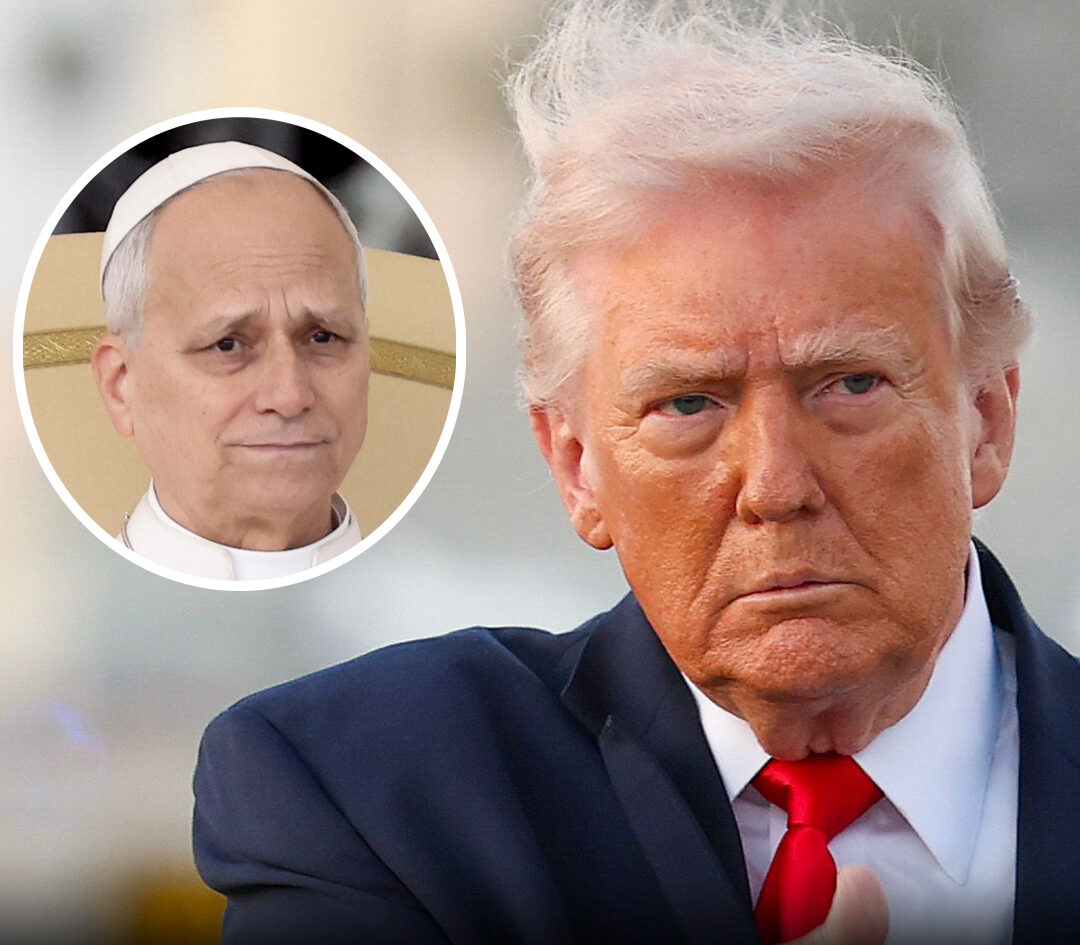
In contrast, Donald Trump’s response has reframed the discussion in sharply political and personal terms. Rather than engaging directly with the humanitarian focus of the Pope’s remarks, he has criticized the pontiff’s stance, questioning his authority and positioning the disagreement within a broader narrative of loyalty, strength, and leadership. His comments shift attention away from the conflict itself and toward issues of legitimacy, influence, and public perception.
This divergence in tone highlights a deeper divide in how global crises are interpreted. On one side is a moral appeal centered on restraint, empathy, and the protection of civilians. On the other is a perspective rooted in political identity, strategic positioning, and assertive leadership. The result is not just a disagreement between two public figures, but a reflection of a broader debate playing out across international discourse: whether power should be exercised through force and dominance, or guided by ethical responsibility and caution.
As global tensions remain high and civilian suffering continues to draw international concern, these contrasting viewpoints shape how audiences interpret the conflict itself. For some, the Pope’s message serves as a necessary reminder of humanity amid war. For others, Trump’s response reflects a different philosophy of leadership in uncertain times.
Ultimately, the exchange underscores how modern conflicts are fought not only on the ground, but also in the realm of narrative—where words, symbols, and interpretations can shape public understanding as powerfully as events themselves.
What do you think defines stronger leadership in times of conflict—moral restraint or decisive force? Share your thoughts and join the discussion below.