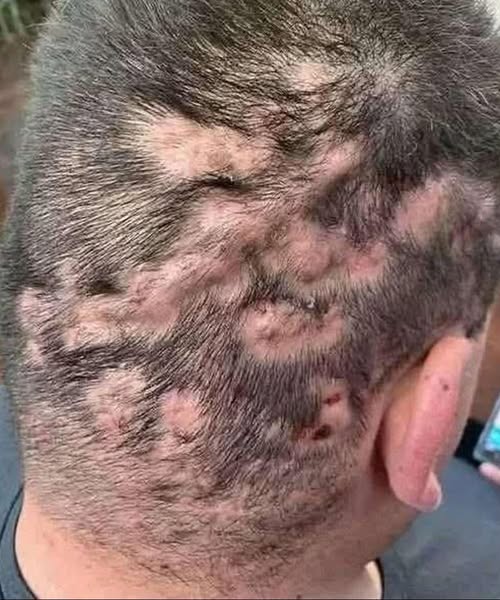
- Genetic predisposition
- Certain medications
- Less commonly, underlying medical conditions
In some situations, these skin changes may be an early indicator of Type 2 Diabetes or metabolic imbalance.
Signs Worth Paying Attention To
These patches usually develop slowly and without pain, which is why they are often overlooked. However, it’s important to monitor them if you notice:
- Sudden appearance or rapid spreading
- Increasing thickness or darkening over time
- Additional symptoms such as fatigue, increased thirst, or frequent urination
When combined, these signs may suggest changes in blood sugar that deserve medical attention.
When to Seek Medical Advice
If you notice persistent or worsening skin changes, a healthcare professional can help identify the cause. Simple tests like blood glucose screening or insulin level checks can provide early insight into metabolic health.
Early detection is key—it can help manage or even prevent more serious long-term conditions.
Your Skin Can Be a Signal
Your skin often reflects what’s happening inside your body. These patches are not something to panic over, but they are worth paying attention to. Think of them as quiet signals that your body may need support.
Final Thoughts
Have you ever noticed unusual skin changes or known someone who has? Share your experience in the comments—your insight might help someone else recognize an early warning sign and take action sooner.