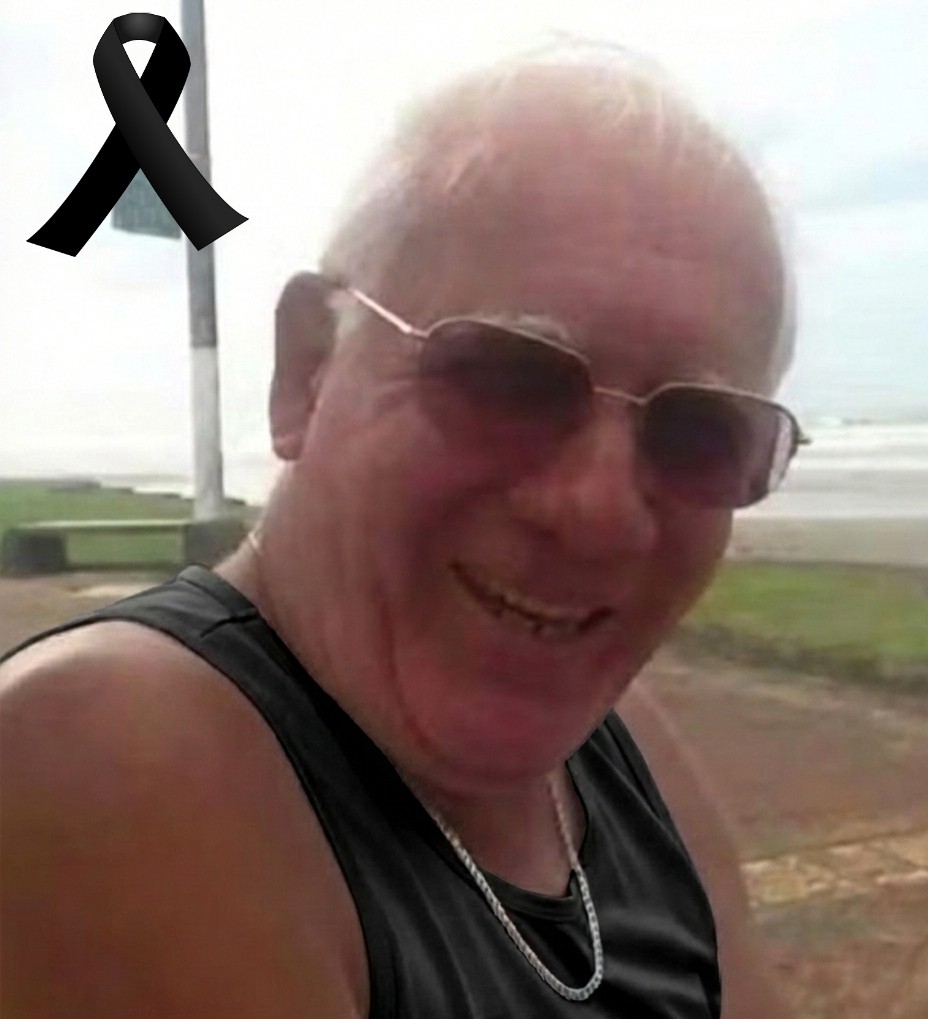
Advocates for older adults say the case highlights an uncomfortable reality that continues to grow in many communities. Loneliness and social isolation can increase risk, particularly for seniors who live independently and may crave companionship or emotional connection. In some situations, that openness can unfortunately make individuals more vulnerable to manipulation, financial exploitation, or unsafe encounters.
Experts stress that awareness—not fear—is the most important response. Encouraging regular communication with aging relatives, checking in consistently, and helping older adults recognize warning signs can significantly reduce vulnerability without stripping away independence or dignity. Community involvement, family support, and access to social resources all play an important role in protecting seniors from potential harm.
At the same time, investigators continue working to determine the full truth behind this case. Authorities are reviewing evidence, interviews, and digital records as they attempt to separate fact from speculation. Until official conclusions are reached, many questions remain unresolved.
What lingers most powerfully, however, is the human side of the story. Behind the headlines and investigation updates is a life that mattered deeply to the people who knew him—a person remembered not for the circumstances surrounding his death, but for the years he spent building relationships, routines, and memories with those around him.
If anything, the case serves as a sobering reminder that vulnerability can exist quietly, often hidden beneath ordinary moments and familiar routines. And sometimes, protecting the people we love begins with simply staying connected before silence has a chance to grow.