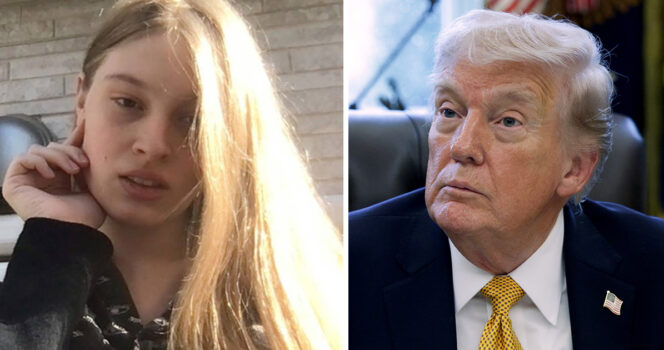
President Donald Trump’s reported decision to authorize support for military action involving Iran has sparked intense discussion among supporters and critics alike.
During his 2024 campaign, Trump emphasized limiting U.S. involvement in foreign conflicts. That message resonated with voters who favored a stronger domestic focus and reduced overseas engagement. Recent developments, however, have prompted renewed debate about current foreign policy direction and broader strategic goals in the Middle East.
Reactions have varied widely. Supporters argue the move reflects national security considerations and coordination with allies in response to regional concerns. Critics question how the action aligns with earlier campaign messaging about avoiding new conflicts.
As with many major policy decisions, differing viewpoints continue to shape public discussion.
Speculation and Online Commentary
Major international events often lead to broader conversations across social media and news platforms. Some commentators suggest that high-profile developments can shift public attention toward foreign policy issues, while others view such claims as opinion rather than verified fact.
At this time, there is no official confirmation connecting the military decision to unrelated investigations or topics. Analysts emphasize the importance of distinguishing between documented information and speculation.
Public figures frequently share their perspectives online, contributing to an active and sometimes polarized discussion.
Government File Releases and Transparency Efforts
Continue reading on next page…