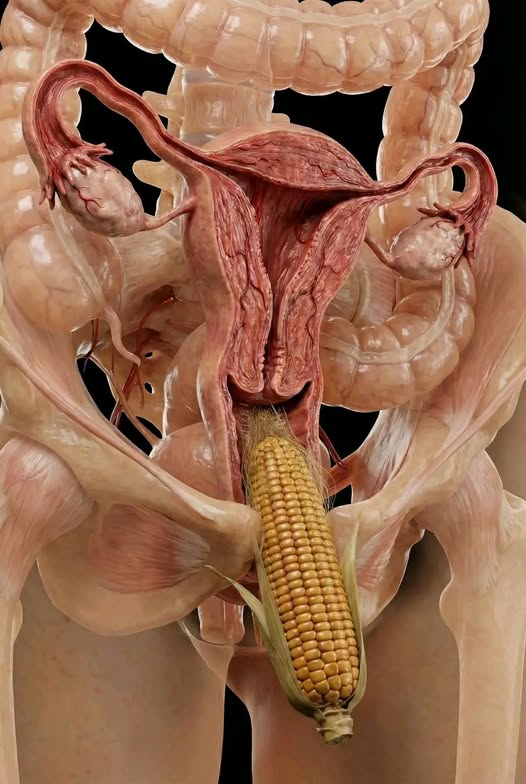
A study published in The American Journal of Emergency Medicine, based on national data from 2012 to 2021, estimated approximately 38,948 emergency department visits for rectal foreign bodies among individuals aged 15 and older. The analysis, derived from 885 sampled cases, indicated an average patient age of 43 years, with nearly 78 percent of cases involving males. Over half of the objects were identified as sexual devices, and approximately 41 percent of patients required hospitalization. The annual incidence rose from 1.2 per 100,000 persons in 2012 to 1.9 per 100,000 in 2021.
Physicians note that such presentations happen throughout the year, though some observe patterns during certain periods, including holidays. Emergency medicine specialists have described an increase in festive-related items during the holiday season, potentially linked to heightened experimentation or reduced inhibitions. Reported objects in these contexts have included holiday decorations such as ornaments, miniature trees, snowmen figures, and candy canes.
Beyond seasonal variations, common non-sexual objects documented in medical literature and emergency reports encompass household items like bottles, jars, lids, flashlights, candles, small utensils, and cosmetic containers. These items often lack a flared base or retrieval mechanism, which medical experts identify as a critical safety feature for any object intended for internal use.
The anatomical structure of the rectum contributes to challenges in these cases. Its muscular walls can create a suction-like effect through contraction, drawing objects deeper and complicating self-removal. Fragile materials may fracture under pressure, potentially causing sharp edges and increasing risks of injury.
Potential complications from retained foreign objects include internal lacerations, perforations of the rectal or bowel wall, bleeding, infection, severe pain, and in severe untreated instances, life-threatening conditions such as sepsis. Physicians emphasize that timely medical attention substantially reduces these risks and often allows for non-surgical extraction.
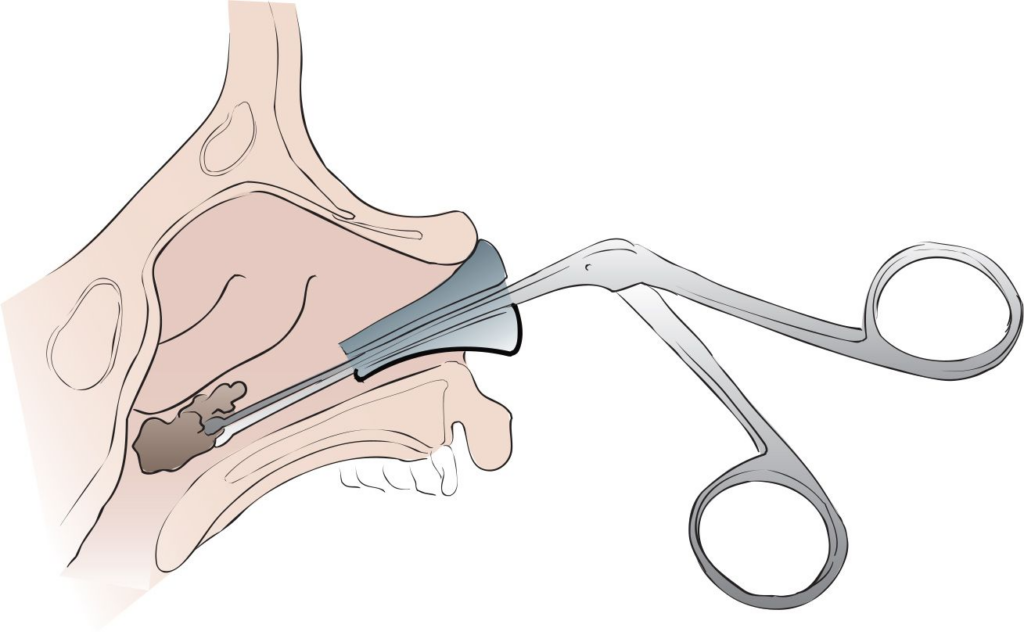
Removal procedures typically involve sedation or anesthesia to relax muscles, followed by careful manual or instrumental extraction in the emergency department. When standard approaches are insufficient, surgical consultation may be necessary to ensure safe resolution while preserving function.
Medical professionals consistently advise against using non-medical household or novelty items for internal purposes due to unpredictable hazards. They stress the importance of seeking immediate care in cases of discomfort, pain, or inability to remove an object, as embarrassment should not delay treatment. Early intervention frequently enables straightforward management and minimizes the need for more invasive procedures.
These cases, though sometimes unusual in nature, highlight a broader public health concern regarding awareness of safe practices. Emergency departments prioritize patient privacy, non-judgmental care, and effective treatment to address the underlying medical needs.