Controversy Over File Releases
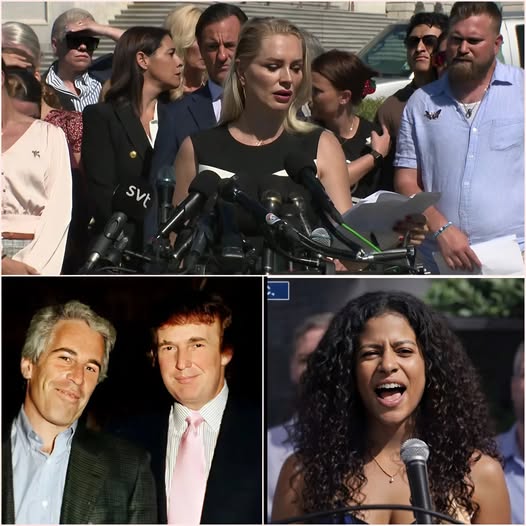
The Department of Justice has released large volumes of material in phases, including millions of pages of documents, along with video and image files. However, attorneys representing survivors have criticized the releases, pointing to redaction inconsistencies and instances where personal information of victims allegedly appeared without proper protection.
Legal advocates argue that safeguarding survivor privacy should be paramount, and they have called for clearer standards in how sensitive material is handled. Federal officials have acknowledged certain administrative errors and said corrective measures are being taken.
The debate has intensified as advocacy groups and some lawmakers continue pressing for greater transparency, while others caution that public releases must balance privacy rights and due process protections.
The Ongoing Search for Accountability
Epstein, who faced federal trafficking charges before his death in 2019, maintained associations with high-profile figures across politics, business, academia, and entertainment. Over the years, flight logs, correspondence, and court documents have referenced a range of public figures. Importantly, inclusion in documents or travel records does not establish wrongdoing, and many individuals named in various filings have denied any knowledge of criminal activity.
Federal investigators have stated in past reviews that no single verified “client list” was recovered as part of their evidence. Ghislaine Maxwell, Epstein’s associate, was convicted in 2021 for her role in facilitating abuse and is serving a prison sentence. No additional federal charges have been announced against other prominent figures.
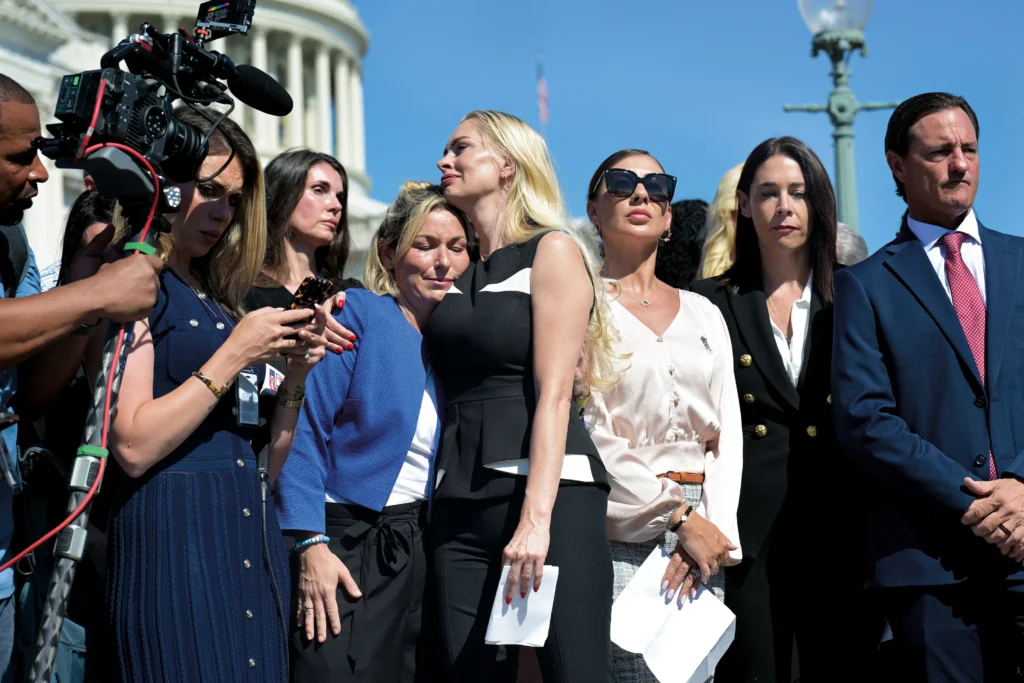
Survivors, however, argue that lived experience tells a broader story — one they believe deserves fuller examination.
A Wider Conversation About Trust
Beyond the specifics of the case, the renewed attention reflects a deeper issue: public trust in institutions tasked with investigating powerful individuals. Survivors say their effort is not about sensationalism but about ensuring their voices remain central to the narrative.
Legal experts note that any independently compiled list would raise complex questions about verification, defamation law, and evidentiary standards. Still, advocates say the symbolic power of survivors speaking collectively is significant.
As of now, no independent survivor-compiled document has been publicly released. But the conversation it has sparked continues to grow — online, in courtrooms, and on Capitol Hill.
What do you think transparency should look like in high-profile investigations? Share your perspective respectfully in the comments and join the discussion.