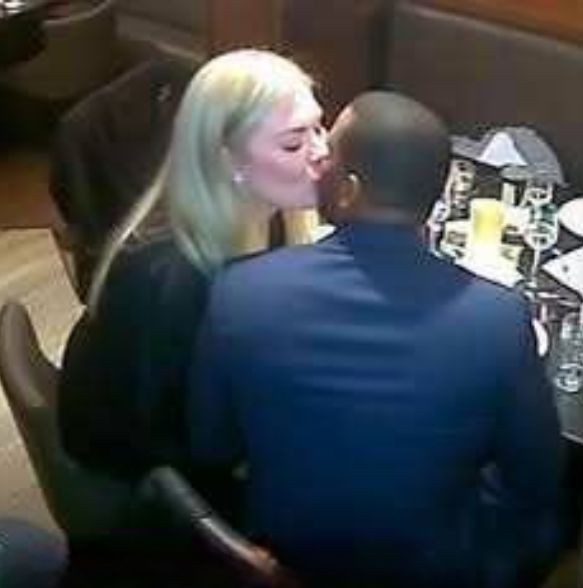
There are also well-known psychological effects that influence how people process viral claims.
One is the illusory truth effect: repeated exposure to a statement can make it feel more believable over time, even without proof.
Another is confirmation bias, where individuals are more likely to accept information that aligns with what they already suspect or believe.
Together, these tendencies can make unverified stories feel more convincing than they actually are.
From word of mouth to global reach
In the past, rumors spread slowly through conversations and local networks. Today, a single post can reach millions within minutes.
This speed has changed how stories evolve. Details can shift, expand, or become distorted before any official clarification is available, making it harder to separate fact from speculation in real time.
Why verification still matters most
Reliable information comes from sources that are accountable, transparent, and evidence-based—such as established news outlets or official statements.
By contrast, anonymous posts, edited screenshots, and secondhand claims can easily circulate without context or confirmation.
Without verification, misinformation can spread quickly and unfairly influence public perception.
The real-world impact of viral claims
While online rumors may seem harmless to some, they can have real consequences. Individuals mentioned in unverified stories may face unwanted attention, emotional stress, or reputational harm.
On a broader level, repeated exposure to misinformation can weaken trust in legitimate information sources.
A simple way to respond responsibly
Before sharing or reacting to viral content, it helps to pause and consider:
- Is the source credible?
- Has the information been independently confirmed?
- Are trusted outlets reporting the same details?
That short pause can make a significant difference in preventing the spread of false or misleading claims.
Final thoughts
The situation surrounding Erika Kirk and Charlie is a reminder of how quickly narratives can form online—often before facts are established. In the digital age, attention moves fast, but accuracy takes time.
Being informed today isn’t just about seeing more—it’s about verifying more.
👉 What’s your approach when you see a viral story online? Share your thoughts in the comments and join the conversation below.