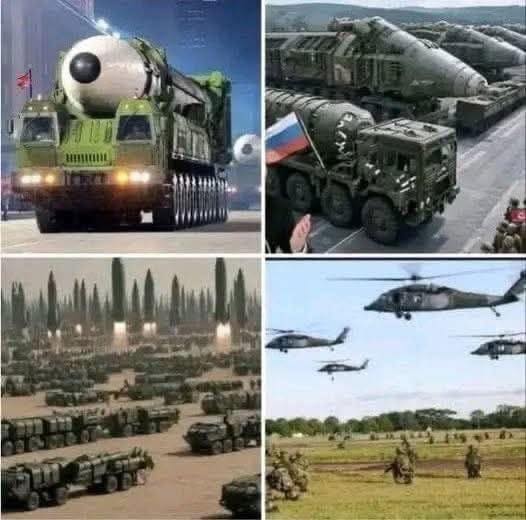
A Shift in Strategic Thinking
Leaders across Europe are increasingly emphasizing the importance of readiness and coordination. Officials such as Boris Pistorius have highlighted the need for stronger defense capabilities, while Mark Rutte has spoken about the importance of maintaining stability and preparedness within the NATO alliance.
At the same time, statements from Vladimir Putin and ongoing geopolitical tensions have contributed to a broader conversation about security in Europe’s future.
Public Opinion and Preparedness
One of the challenges facing policymakers is the gap between institutional planning and public sentiment. Surveys across EU member states suggest that while many citizens are concerned about security and economic stability, fewer express willingness to participate directly in defense-related efforts.
Instead, public concern tends to focus on issues such as energy supply, economic resilience, and infrastructure stability. This highlights the importance of not only policy changes but also public communication and trust-building.
Regional Initiatives in Northern and Eastern Europe
Several countries, particularly in Northern and Eastern Europe, have taken proactive steps to strengthen preparedness.
Nations like Poland, Finland, and Sweden have introduced updated civil preparedness programs. For example, Sweden has distributed informational materials to households outlining how to respond to emergencies, while other countries have focused on infrastructure resilience and public awareness initiatives.
These efforts are designed not to create fear, but to ensure that citizens are informed and prepared for a range of potential disruptions.
Investment and Coordination Efforts
On the institutional level, the EU is working to improve coordination and efficiency in defense-related planning. Initiatives such as the “Readiness 2030” framework aim to streamline logistics, improve infrastructure, and enhance cross-border mobility.
A key focus is reducing delays in moving personnel and equipment across member states. This includes identifying and upgrading critical infrastructure such as bridges, railways, and ports.
Financially, the EU has introduced programs to support joint investment and reduce fragmentation in defense procurement. Efforts like “ReArm Europe” and funding mechanisms such as the European Defence Industry Programme are intended to encourage collaboration and improve cost efficiency.
Evolving Transatlantic Relations
Another factor shaping Europe’s strategy is the evolving relationship with the United States. Recent policy discussions in Washington have emphasized greater responsibility for regional defense among European nations.
This has led to renewed conversations around “strategic autonomy”—the idea that Europe should strengthen its ability to act independently when necessary, while still maintaining strong partnerships.
Balancing Ambition and Practical Challenges
While plans for increased investment and coordination are underway, challenges remain. Expanding industrial capacity, streamlining regulations, and aligning policies across multiple countries require time and sustained effort.
European leaders are working to balance urgency with practicality, focusing on long-term resilience rather than short-term reactions.
Looking Ahead
As Europe navigates a changing global landscape, the focus in Brussels is shifting toward preparedness, cooperation, and adaptability. The goal is not only to strengthen defense capabilities, but also to ensure stability, economic resilience, and public confidence.
Rather than reacting to a single event, the European Union is engaged in a broader process of reassessment—one that reflects the complexities of today’s interconnected world.