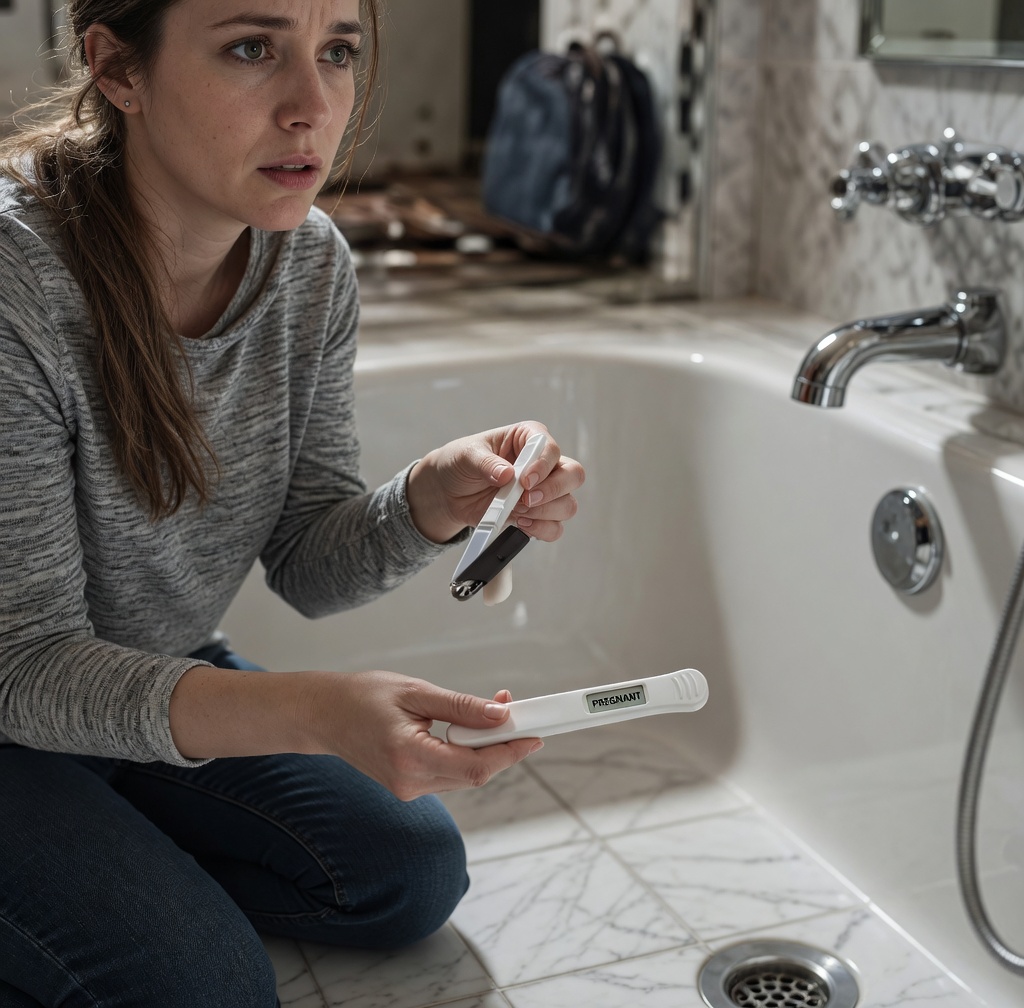
There were difficult interviews, emotional therapy sessions, endless paperwork, sleepless nights, and moments when my daughter cried because she still felt “unclean” no matter how many times she tried washing away feelings she couldn’t explain.
Healing didn’t happen quickly.
It arrived slowly.
One safe conversation at a time.
One peaceful night of sleep at a time.
One small moment of trust rebuilt after another.
As authorities became involved, changes slowly began happening beyond our own home.
Questions that should have been asked earlier were finally taken seriously.
Boundaries became stronger.
Policies were reviewed.
Most importantly, someone dangerous was removed before more children could be harmed.
What began as one family’s heartbreak eventually became part of a larger effort to protect others too.
And although recovery was difficult, life slowly started feeling lighter again.
Not perfect.
Not unchanged.
But safer.
Healing revealed itself in ordinary moments we once feared might never return.
Birthday candles glowing across a cake.
Laughter echoing through the hallway again.
Muddy shoes left by the front door.
Movie nights without anxiety.
Quiet evenings where my daughter no longer hid behind locked bathroom doors trying to wash pain away.
Those moments may seem small to outsiders.
To us, they meant everything.
Because healing rarely arrives dramatically.
Most of the time, it comes quietly.
One ordinary moment at a time.
Looking back now, one lesson stands out more than anything else:
Children often communicate emotional pain long before they find the words to explain it directly.
Sometimes the signs appear through anxiety, withdrawal, sudden behavior changes, fearfulness, shame, or habits adults accidentally dismiss as temporary phases.
But instincts matter.
Listening matters.
Creating safe conversations matters.
Experts continue encouraging parents and caregivers to pay close attention to emotional changes and avoid dismissing signs that something deeper may be wrong.
Because sometimes, the most powerful thing you can offer a child is not immediate solutions.
It’s simply making them feel safe enough to speak honestly without fear or judgment.
Our story eventually became about far more than trauma.
It became about what happened afterward.
A child finding the courage to speak.
A parent choosing to listen instead of looking away.
A family learning that healing is still possible, even after unimaginable pain.
And a reminder that protecting children often begins by paying attention to the quiet signs others may overlook.
Recovery is never fast or perfect.
But support, trust, patience, and compassion can completely change the direction of someone’s life.
Sometimes the most important words a hurting child can hear are simple:
“I believe you. You are not alone.”
Because healing often begins the moment silence finally ends.
If this story touched your heart, share your thoughts in the comments below. Your voice may help encourage awareness, compassion, and support for families facing difficult situations behind closed doors.