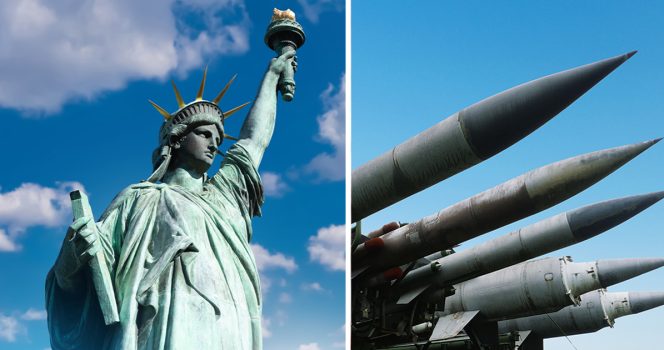
Ogden & Clearfield, Utah – Hill Air Force Base lies just south of these cities, making them potential targets despite a combined population of only 120,000.
Shreveport, Louisiana – Close to B-52 bomber units capable of city-leveling strikes; the city’s roughly 178,000 residents could be in extreme danger.
Honolulu, Hawaii – Pearl Harbor’s legacy remains, with key naval and air units stationed on the island.
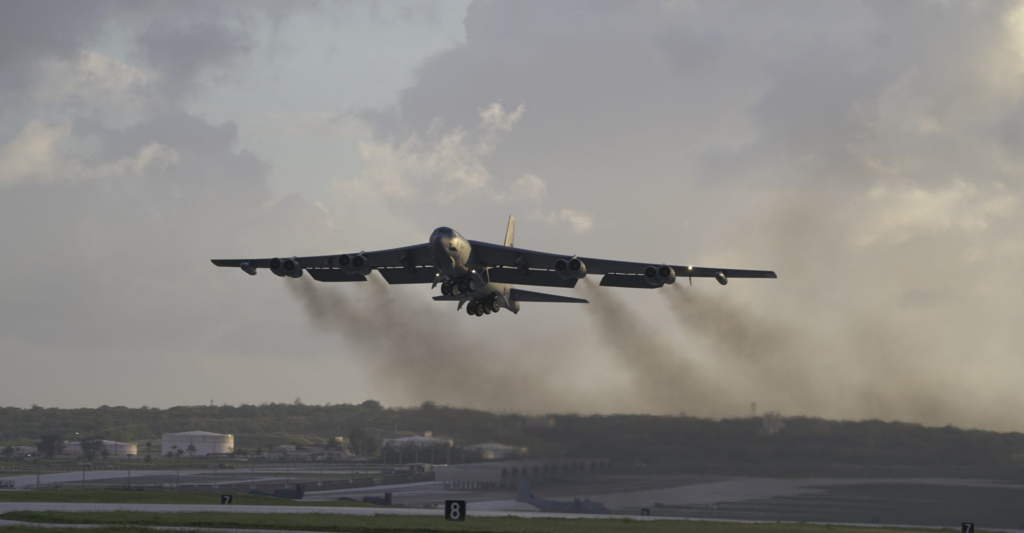
Omaha, Nebraska – Offutt Air Force Base plays a central role in U.S. nuclear operations, near a population of 483,000.
Colorado Springs, Colorado – NORAD headquarters sits at the Rockies’ base, defending North American airspace.
Albuquerque, New Mexico – Home to Kirtland Air Force Base and one of North America’s largest nuclear arsenals.
Washington, D.C. – The nation’s capital, government center, and hub for over 700,000 residents, making it an obvious strategic target.
Seattle, Washington – Close to Naval Base Kitsap, a major submarine and nuclear facility, and home to 737,000 residents.
Other major population and influence centers include:
- San Francisco, California – 873,965 residents
- Houston, Texas – 2.3 million residents
- Chicago, Illinois – 2.75 million residents (9 million in the metro area)
- Los Angeles, California – 3.8 million residents
- New York City, New York – 8.8 million residents
While it’s impossible to predict the future with certainty, experts urge awareness of the strategic importance of these cities in any large-scale military conflict. With nuclear capabilities and high-density populations at play, the stakes couldn’t be higher.
What do you think—are we truly on the brink of World War III? Share your thoughts below and join the conversation about global security and preparedness.