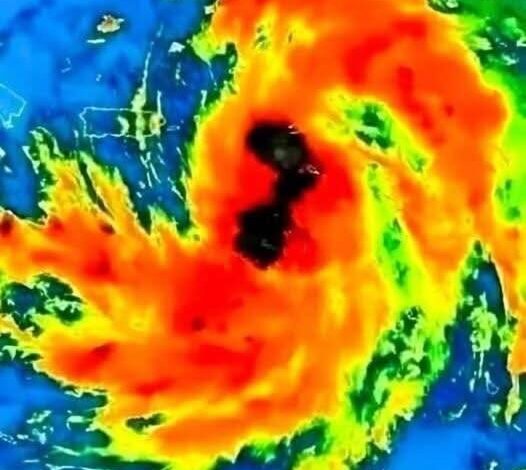
Adding complexity to the situation is the Saharan Air Layer (SAL), a massive dust plume drifting across the Atlantic. While the dust suppresses tropical cyclone formation, it poses respiratory risks, particularly for those with asthma or other sensitivities. The normally vivid Caribbean skies have taken on a hazy, orange tint, reminding residents of the region’s delicate balance between beauty and hazard.
Tropical Storm Flossie: A Growing Threat
Meteorologists are closely monitoring Tropical Storm Flossie in the Atlantic, where warm sea surface temperatures provide fuel for rapid intensification. Forecasters are analyzing wind shear and moisture levels to predict whether Flossie will escalate into a significant threat to Florida and the Carolinas. Local authorities are reviewing evacuation routes and shelter capacity, underscoring the importance of vigilance during hurricane season.
Cascading Risks Test Resilience
The overlapping hazards present a major challenge to emergency services. Flooded roads, dust-related health emergencies, and seismic instability create a compounding strain on communities. Yet amid these challenges, local volunteers, fishermen, and faith-based organizations have stepped up, providing critical relief where official systems are stretched thin.
Preparedness Is Key
Residents are urged to maintain active awareness and rely on credible sources for updates. Emergency kits with water, medication, and important documents remain essential. Science-based forecasting, community solidarity, and proactive preparation are the region’s most reliable defenses against the cascading threats.
Looking Ahead
The coming days will test the Caribbean and Southeastern U.S., but they also demonstrate the resilience and courage of these communities. By staying informed, prepared, and connected, residents can weather these volatile conditions and emerge stronger.
Stay safe and proactive: share this update with friends and family to help your community stay prepared during this historic environmental convergence.