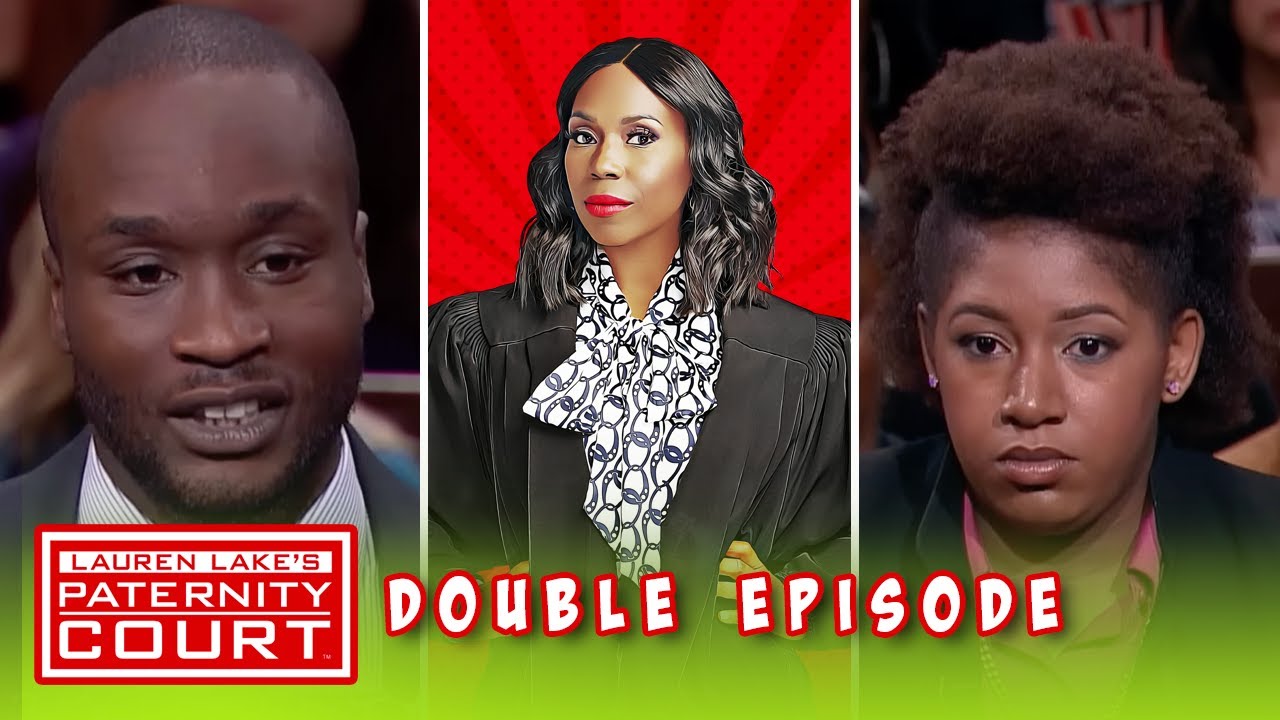
Despite his doubts, the emotional bond between him and the child remained undeniable. He described the pain of potentially losing a connection he had built through years of love, care, and support. For him, the situation became more than just a legal dispute—it was a personal crisis that challenged his identity as a father.
On the opposite side of the courtroom, the child’s mother strongly defended her position. She insisted the man was unquestionably the father and argued that the lie detector results were unreliable due to stress, pressure, and emotional exhaustion.
She reminded the court that he had been deeply involved in the child’s life and stressed that their family connection should not be erased because of one failed test.
The emotional tension between both sides filled the courtroom as accusations, fears, and painful memories surfaced. The judge listened carefully, emphasizing that while lie detector tests can raise questions, they are not definitive proof in paternity cases.
Instead, the court turned to the one form of evidence capable of delivering certainty: DNA testing.
As the case unfolded, it became clear that this battle was not only about biology. It was also about trust, loyalty, and the emotional consequences of uncertainty. Both parents struggled with the possibility that their family could be permanently changed depending on the results.
The child, though unaware of the legal details, remained at the center of the emotional storm. The case highlighted how deeply paternity disputes can affect children, especially when relationships and identities are called into question.
When the DNA results were finally revealed, the courtroom fell silent. The truth would either confirm years of fatherhood or completely reshape the family’s future.
This unforgettable case served as a powerful reminder that family is built on more than genetics alone. Love, responsibility, and emotional connection matter deeply—but when doubts arise, the search for truth can become impossible to ignore.
In the end, the courtroom provided answers through science, but emotional healing for everyone involved would take far longer.
What do you think matters more in fatherhood—biology or emotional connection? Share your thoughts in the comments below.
FULL VIDEO: