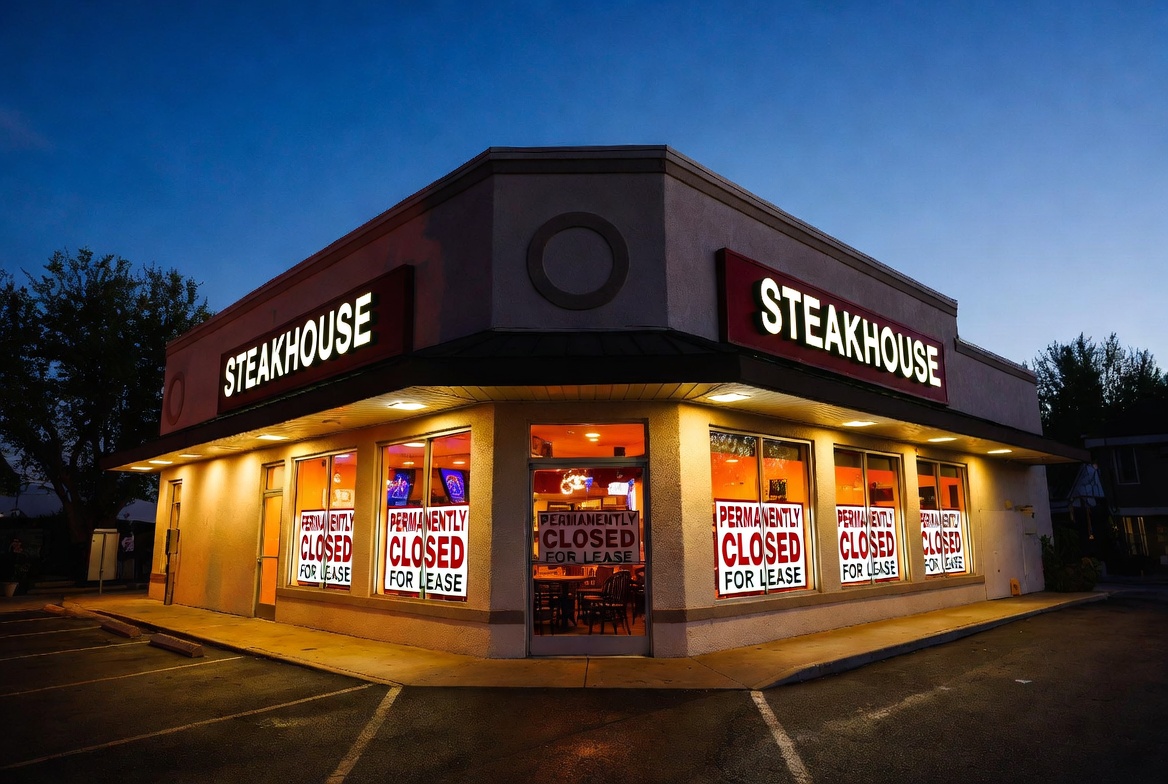
Critics questioned whether more could have been done to preserve jobs or maintain partial operations. Others argued that the financial realities facing restaurant chains during the crisis were severe enough that large-scale shutdowns became unavoidable for some companies struggling under debt and collapsing revenue.
At the same time, controversy surrounding leadership inside CraftWorks Holdings intensified public frustration.
Reports emerged that then-CEO Hazem Ouf had been removed from his position following allegations involving unauthorized financial decisions connected to millions of dollars in sales tax payments. The situation fueled broader criticism surrounding corporate accountability and financial management during a period when employees across the country were already facing enormous uncertainty.
For many workers, however, the corporate details mattered less than the immediate reality unfolding in their daily lives.
Paychecks stopped.
Benefits became uncertain.
And locations that once served as gathering places for communities suddenly sat dark and empty.
The restaurant industry overall suffered enormous disruption during the economic downturn, with chains large and small struggling to adapt to rapidly changing conditions. Some businesses survived through restructuring and operational changes, while others permanently disappeared from the dining landscape altogether.
Cases like Logan’s Roadhouse highlighted how vulnerable service-industry employees often are during major economic crises. Many workers relied heavily on hourly wages, tips, and employer-sponsored benefits with little financial cushion available when shutdowns occurred suddenly.
The emotional impact extended beyond economics as well.
Restaurants are not simply businesses to many communities. They are places tied to birthdays, celebrations, routines, friendships, and careers built over years. When large chains close locations or furlough entire staffs, the effect reaches far beyond balance sheets.
For former employees, the shutdown represented lost stability.
For customers, it marked the disappearance of familiar places woven quietly into everyday life.
And for the industry itself, it became another reminder of how quickly economic pressures can reshape even long-established brands.
Do you think companies have a greater responsibility to protect workers during economic crises? Share your thoughts respectfully in the comments below.