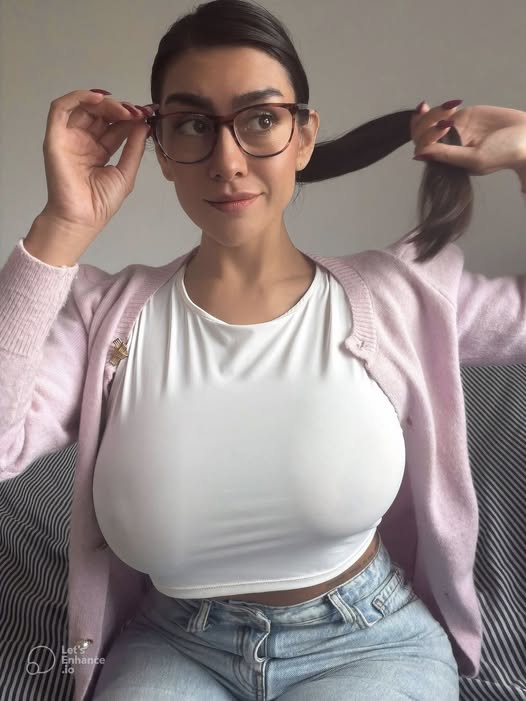
Fashion vs. Personal Style
Many people confuse fashion with style, but they are not exactly the same.
Fashion usually refers to changing trends, seasonal designs, and popular aesthetics influenced by the industry.
Personal style, however, is often more individual and consistent. It allows people to adapt trends while still expressing their own personality and preferences.
As Coco Chanel famously said:
“Fashion passes, style remains.”
That idea continues influencing modern discussions about confidence and appearance today.
Popular Fashion Styles and What They Represent
Classic Style
Classic fashion is often associated with:
- Simplicity
- Elegance
- Neutral colors
- Clean tailoring
People who prefer classic style are often drawn to timeless and refined looks rather than fast-changing trends.
Business Style
Business fashion focuses on professionalism and polished presentation.
Common elements include:
- Structured jackets
- Minimal accessories
- Clean silhouettes
- Practical elegance
Modern business style often blends comfort with confidence and professionalism.
Romantic Style
Romantic fashion emphasizes softness and femininity through:
- Flowing fabrics
- Floral patterns
- Lace details
- Pastel colors
This style is often connected with warmth, grace, and expressive elegance.
Sporty and Casual Style
Sporty fashion focuses on comfort, movement, and practicality.
Sneakers, relaxed fits, and athletic-inspired pieces have become increasingly popular in everyday fashion.
Many people now combine sporty elements with casual elegance for versatile modern looks.
Creative and Avant-Garde Fashion
Avant-garde fashion is known for bold experimentation and artistic expression.
This style often includes:
- Dramatic shapes
- Unusual cuts
- Asymmetry
- Creative combinations
Rather than focusing on tradition, avant-garde fashion encourages individuality and visual creativity.
Why Style Matters Beyond Appearance
Fashion experts often emphasize that style is not only about appearance — it can also influence confidence and self-perception.
Clothing choices, posture, accessories, and grooming together create an image that communicates personality without words.
Importantly, true style is not defined by expensive brands or luxury labels.
Confidence, comfort, and authenticity often matter far more than trends themselves.
Final Thoughts
Fashion continues evolving constantly, but personal style remains one of the most individual forms of self-expression.
Whether someone prefers classic elegance, casual comfort, artistic creativity, or modern professionalism, style often reflects far more than clothing alone.
In the end, the most memorable style is usually the one that feels authentic, comfortable, and genuinely connected to the person wearing it.