A Mother’s Defense
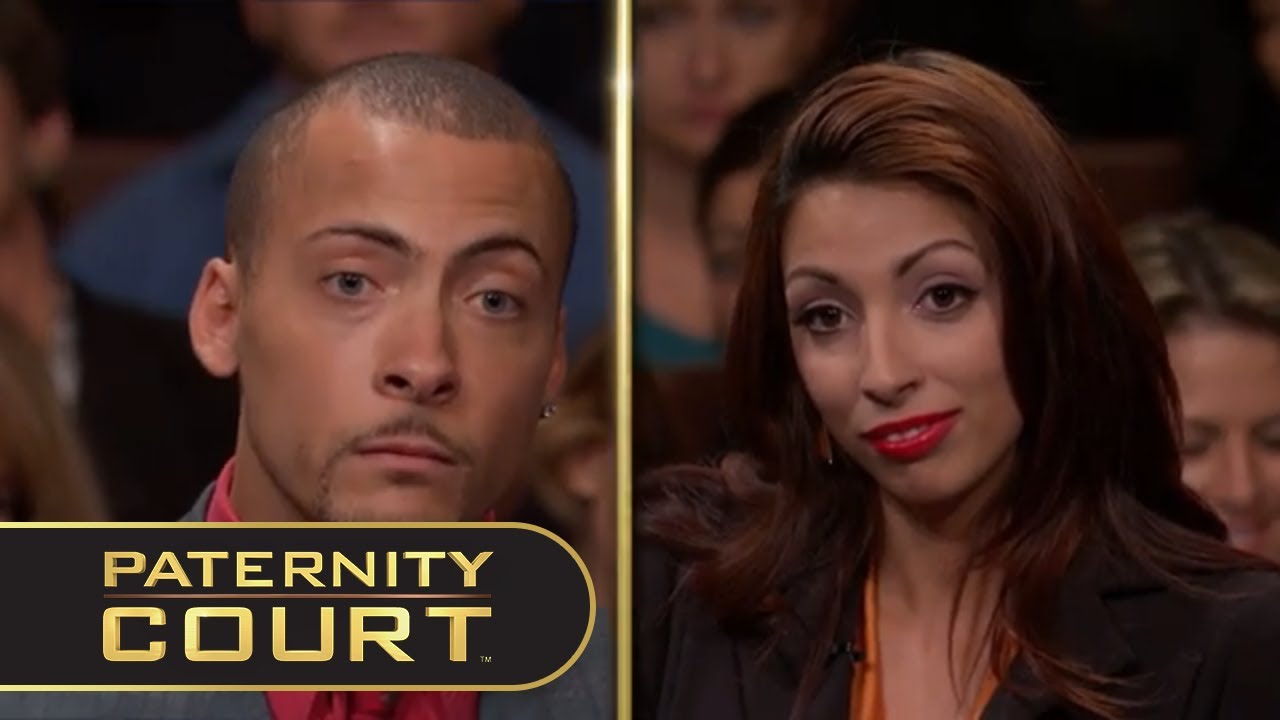
Across the courtroom, the mother stood firm. Clearly emotional, she defended her integrity and insisted that his doubts were unfounded. For her, this wasn’t just about biology—it was about protecting the family she believed they had created together.
She spoke about the challenges of pregnancy, the support she thought they shared, and the pain of having her honesty questioned so publicly.
“I’ve been truthful from the start,” she said. “I have nothing to hide.”
Emotion on Both Sides
As the case unfolded, the tension in the courtroom was undeniable. The man’s need for certainty clashed with the mother’s determination to defend her truth.
At the center of it all was a six-month-old child—unaware of the conflict, yet deeply affected by its outcome.
The judge acknowledged the emotional weight carried by both individuals but reminded them of one critical point: the child’s well-being must come first.
“A child deserves clarity,” the judge stated. “Truth is essential for identity, stability, and a secure future.”
The Burden of Uncertainty
The man described how doubt had quietly shaped his experience as a parent. He spoke of sleepless nights, emotional distance, and hesitation to fully bond—fearing that the truth might one day change everything.
His words reflected an internal struggle familiar to many: wanting to love fully while feeling held back by unanswered questions.
The mother, in turn, expressed how those doubts had damaged their relationship. She described feeling hurt, frustrated, and misunderstood—especially as those suspicions overshadowed what should have been a joyful time.
Still, she welcomed a DNA test, confident it would confirm her claims and bring an end to the dispute.
Science Steps In
With emotions running high, the court turned to science for answers. A DNA test was ordered, offering a clear and definitive path to the truth.
The judge emphasized that while emotions can complicate situations, scientific evidence provides certainty. However, he also noted an important reality: while DNA can determine fatherhood, it cannot repair broken trust.
Waiting for the Truth
As the hearing came to a close, anticipation filled the room. The results would not only determine biological paternity but also shape the future of everyone involved.
For the man, it could mean either reassurance or a life-changing responsibility. For the mother, it was an opportunity to restore trust and protect her reputation. And for the child, it would define a crucial part of identity.
More Than Just a Result
This case highlights the delicate nature of relationships under pressure. It shows how quickly doubt can grow—and how deeply it can affect trust, connection, and family stability.
While science can provide answers, building a strong family requires honesty, communication, and emotional commitment.
In the end, the real challenge isn’t just discovering the truth—it’s deciding what to do with it.
Share Your Thoughts
What would you do in this situation? Do you think DNA testing should always be the first step in cases like this? Join the conversation and share your perspective below!