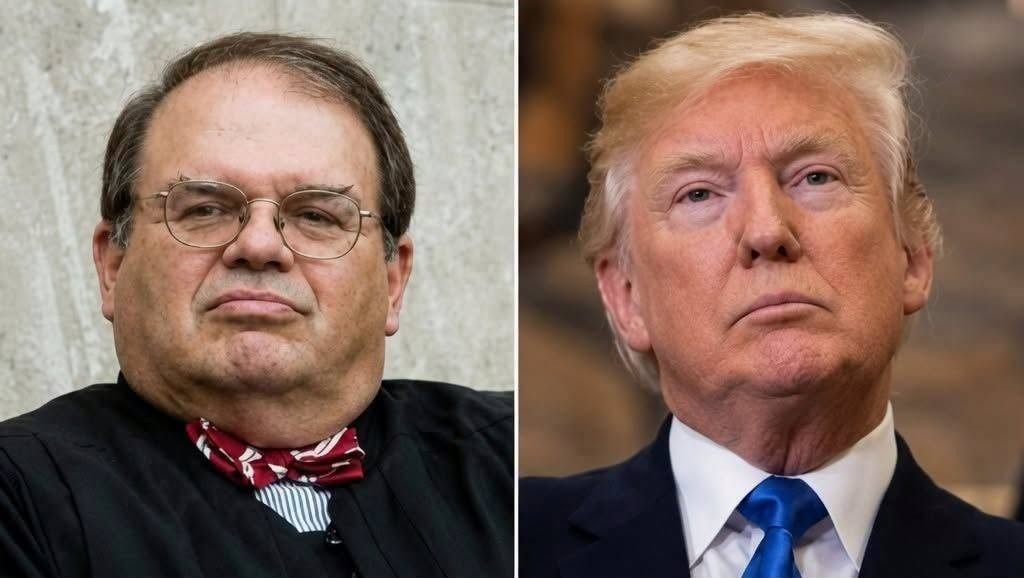
This tension between judicial oversight and executive discretion has fueled passionate debate across political and legal circles.
The discussion also reflects a broader challenge facing modern democracies: balancing individual rights with the practical demands of institutions responsible for national security. Courts routinely review government actions for compliance with constitutional protections, while executive agencies often argue that specialized expertise is necessary when making decisions involving defense and military operations.
As appeals and policy revisions continue, the legal landscape may evolve further with changes in administration or future court rulings. History has shown that military policies can shift over time as social attitudes, legal interpretations, and operational needs develop.
Beyond the courtroom, the issue has prompted conversations among veterans, service members, advocacy organizations, and constitutional scholars about fairness, inclusion, and the standards used to evaluate those willing to serve their country.
Regardless of where individuals stand on the debate, many agree that maintaining public confidence requires transparent decision-making grounded in evidence, respect for the law, and thoughtful consideration of competing interests.
The outcome of these legal battles may influence not only military personnel policies but also broader discussions about the balance of powers among the executive branch, the judiciary, and Congress.
As the case moves through the legal system, the central questions remain: How should constitutional protections be applied within the unique environment of military service? And who should have the final authority to resolve those difficult judgments?
What are your thoughts on the balance between military policy and constitutional protections? Share your perspective in the comments and join the conversation respectfully.