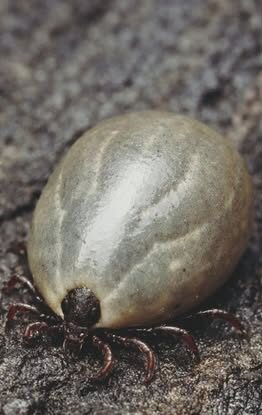
Itching is not always an immediate sign of infestation. Lice or ticks may crawl on the scalp for days without causing discomfort. Irritation comes from an allergic response, not movement itself. That’s why regular visual checks are more effective than waiting for scratching to appear.
Step 2: Calm, Safe Treatment
For lice:
- Wet comb hair with conditioner using a fine-toothed metal nit comb.
- Repeat every 2–3 days for about two weeks to catch newly hatched lice.
For ticks:
- Use sterilized tweezers to grasp the tick close to the scalp.
- Pull steadily without twisting; drop the tick in rubbing alcohol.
At home:
- Lice cannot survive long off a human host. Wash bedding, hats, and frequently used items in hot water. Wipe down toys and play areas.
Step 3: Remove Stigma
Finding a bug doesn’t mean poor hygiene. Lice can thrive even in clean hair, and ticks prefer kids who explore outdoors. This is about exposure, not neglect. Teaching kids that bugs are natural visitors helps reduce embarrassment and shame.
Step 4: Prevention and Education
- Routine inspections: Check hair weekly or biweekly.
- Teach responsibility: Kids can brush and inspect their hair, manage hats and helmets, and avoid sharing combs.
- Outdoor precautions: Hats, child-safe repellents, and post-play checks reduce tick encounters.
- Technology: Apps can help identify insects and provide guidance for treatment.
- Calm management: Children pick up on parental anxiety—stay composed and involve them in safe removal.
Nana’s Wisdom
Grandparents often know best: methodical, calm handling prevents panic. A few drops of tea tree oil in shampoo weekly can help naturally, and careful observation beats overreaction.
Step 5: Community Awareness
Coordinate with schools and childcare centers to manage infestations efficiently and reduce stigma. Open communication ensures everyone is informed and calm.
Perspective Matters
Most infestations are temporary, harmless, and treatable. Calm observation, careful removal, and preventive routines teach children resilience, hygiene, and how to safely enjoy the outdoors.
Conclusion
A bug in your child’s hair is a manageable moment. With the right approach, parents can turn panic into empowerment, reinforcing confidence and curiosity.
💬 Seen a tiny visitor in your child’s hair? Share your experience and tips below to help other parents handle these everyday challenges calmly!