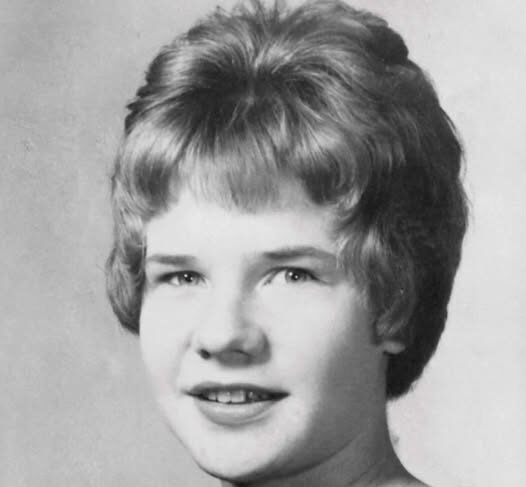
Although her upbringing was stable, it quickly became clear that she saw the world differently from many of the people around her.

A Creative Spirit That Refused to Blend In
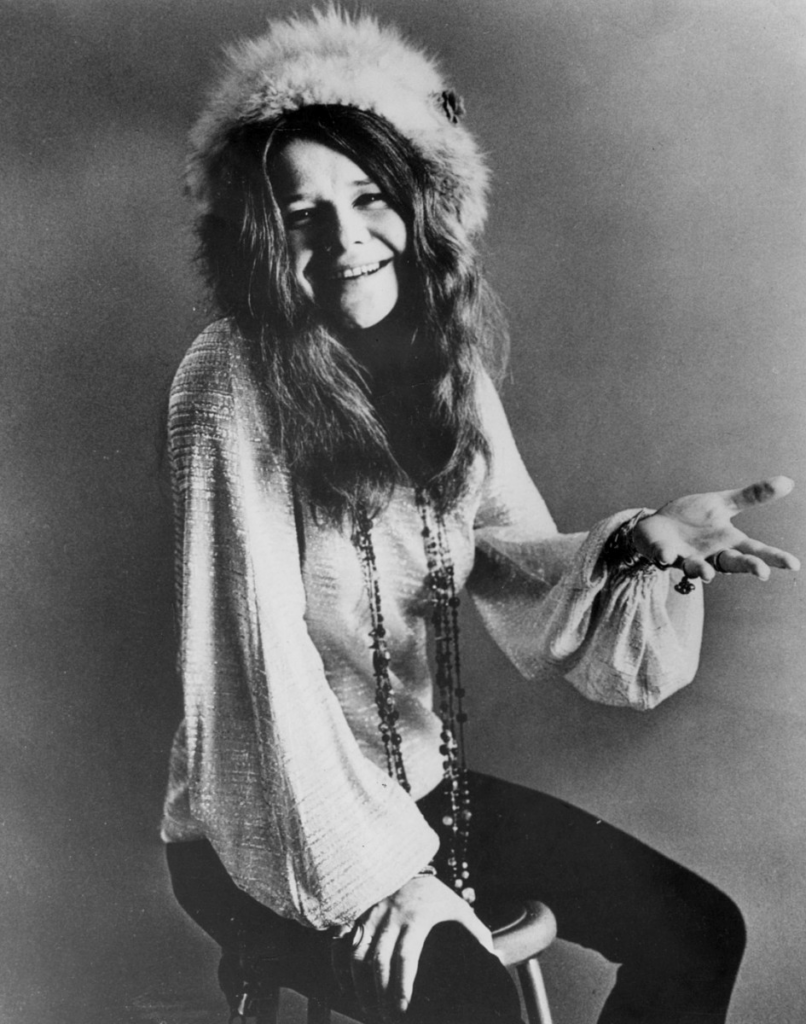
From an early age, Joplin gravitated toward creativity, music, and self-expression. While others focused on fitting into social expectations, she was drawn to blues, folk music, poetry, and artistic culture.
Her strong personality and independent thinking often made her stand out in school and within her community.
During her teenage years, she faced criticism about her appearance and struggled with feeling accepted by her peers. Those experiences deeply affected her confidence and emotional well-being, leaving lasting scars that stayed with her long after high school.
Still, music became both an escape and a form of personal expression.
Finding Her Voice Through Music
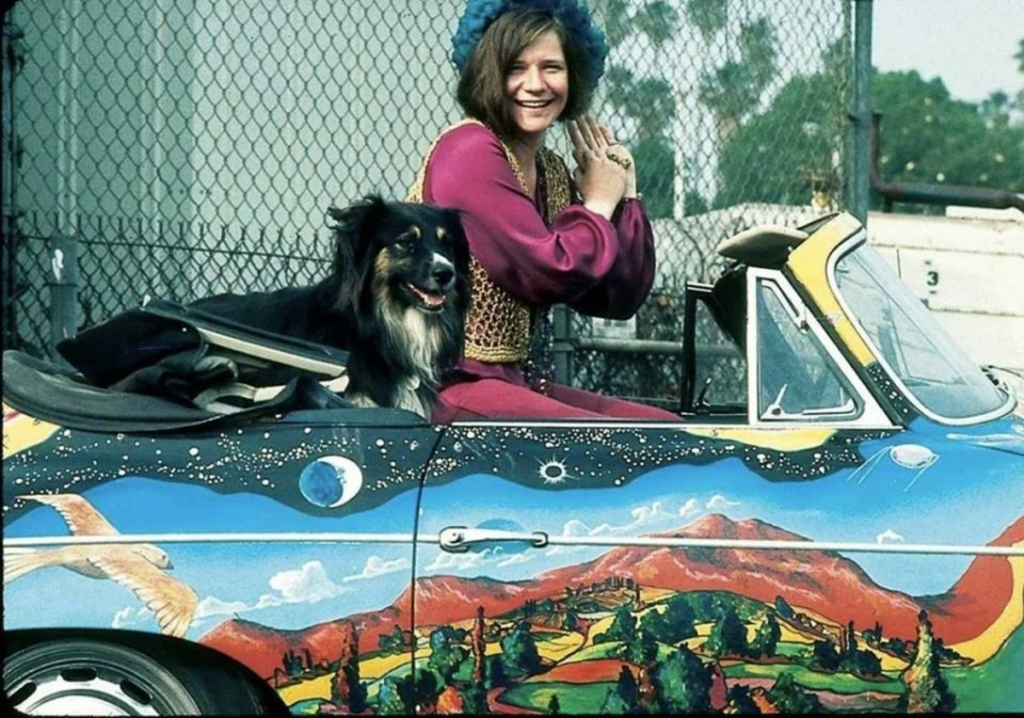
As she grew older, Joplin immersed herself in blues and folk music, inspired by artists whose songs carried raw emotion and honesty.
After attending the University of Texas at Austin for a short time, she made the bold decision to leave college and pursue music full-time.
She eventually moved to San Francisco, where she performed in small clubs and coffeehouses while trying to establish herself in the growing music scene of the 1960s.
Life was not easy during those years. Financial instability, personal struggles, and the pressures of the entertainment world created major challenges. But her determination to succeed remained strong.
The Breakthrough That Changed Everything
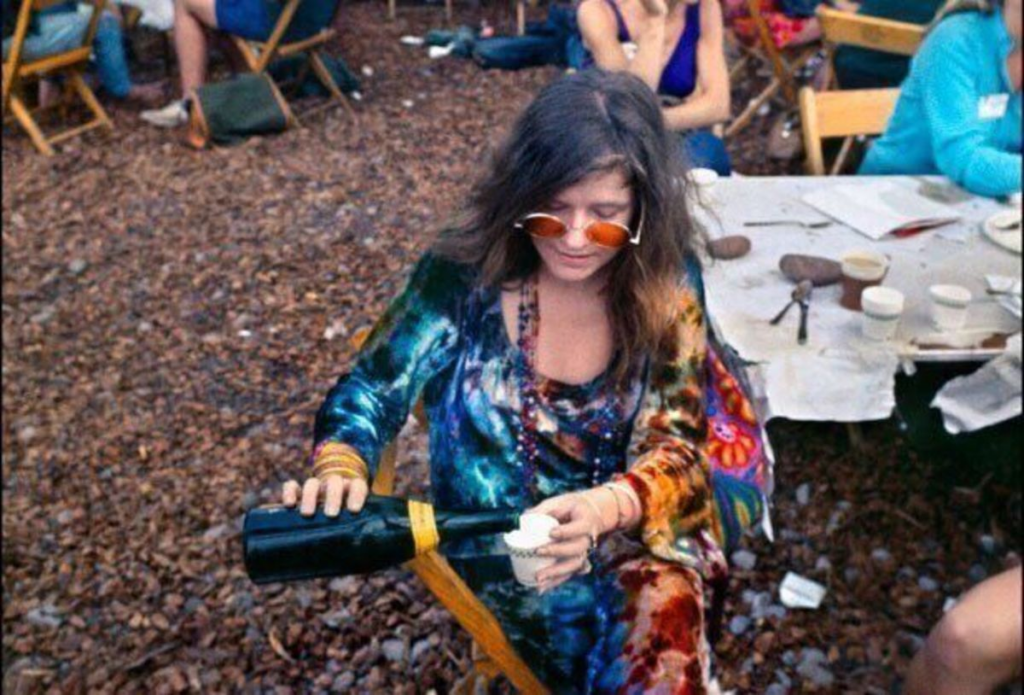
Joplin’s life changed dramatically after joining the band Big Brother and the Holding Company.
Her powerful voice, emotional performances, and unique stage presence quickly attracted attention. Her breakthrough moment came during the legendary Monterey Pop Festival in 1967.
The performance transformed her into an overnight sensation.
Audiences were captivated by her energy, authenticity, and unmistakable vocal style. The same individuality that once made her feel isolated now became the reason millions admired her.
A Symbol of Authenticity and Freedom
As her fame grew, Joplin became a cultural icon associated with freedom, emotional honesty, and artistic individuality.
She challenged traditional expectations about appearance, personality, and self-expression. Rather than trying to fit into conventional standards, she embraced her uniqueness openly and unapologetically.
Her music connected deeply with listeners because it felt genuine and emotionally raw.
Among her most celebrated songs was Me and Bobby McGee, which became a posthumous No. 1 hit and helped cement her place in music history.
Personal Struggles Behind the Spotlight
Despite her success, Joplin continued to battle personal challenges behind the scenes.
Fame did not erase the emotional pain she carried from earlier years, and she often struggled with loneliness, pressure, and the search for acceptance.
Friends and family described her as someone who deeply desired connection and understanding, even while living in the spotlight.
Her story revealed the complicated reality behind celebrity life — where public admiration does not always guarantee personal peace.
A Legacy That Still Resonates Today
In October 1970, Janis Joplin died at the age of 27, shocking the music world and leaving behind a legacy that continues to influence generations of artists.
Decades later, her music remains powerful because of its honesty, vulnerability, and emotional depth.
More than just a singer, she became a symbol of individuality and resilience — proof that embracing who you truly are can leave a lasting impact on the world.
Her journey from a misunderstood young girl in Texas to a globally recognized music legend continues to inspire people who value authenticity, creativity, and the courage to be different.