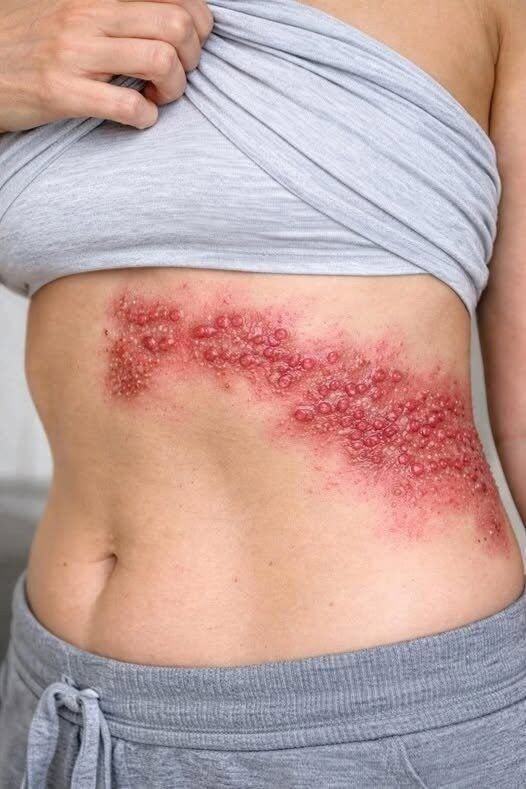
1. Cheeks
Breakouts on the cheeks may be influenced by frequent contact with everyday items such as mobile phones, pillowcases, or hands.
To help reduce irritation:
- Clean your phone regularly.
- Change pillowcases frequently.
- Avoid touching your face unnecessarily.
- Wash your face with a gentle cleanser suited to your skin type.
2. Forehead
Forehead acne is often associated with excess oil production or hair products that come into contact with the skin.
If you experience frequent forehead breakouts:
- Keep hair clean and away from the face when possible.
- Consider using lighter hair styling products.
- Wash away sweat and excess oil after physical activity.
3. Back
Back acne can be influenced by sweat, friction, tight clothing, or certain skincare products.
Helpful habits include:
- Showering after exercise.
- Wearing breathable fabrics.
- Washing workout clothing regularly.
- Choosing body products that do not clog pores.
4. Nose
The nose contains many oil glands, making it a common location for breakouts.
Maintaining a consistent skincare routine and cleansing gently without over-scrubbing may help reduce irritation. Stress, hormones, and skincare habits may also contribute.
5. Around the Mouth
Breakouts in this area can sometimes be associated with cosmetic products, repeated skin contact, or irritation.
Choosing non-comedogenic skincare products and avoiding unnecessary touching of the face may help minimize flare-ups.
6. Legs
Bumps on the legs are not always acne and may have several possible causes, including irritation from shaving, friction, or other skin conditions.
If symptoms are painful, persistent, or accompanied by itching, consulting a healthcare professional is recommended for an accurate diagnosis.
7. Jawline and Neck
Jawline and neck breakouts are sometimes linked to hormonal changes, though many factors can contribute.
Maintaining a gentle skincare routine and discussing persistent concerns with a dermatologist may help identify appropriate treatment options.
8. Shoulders
Shoulder acne may occur when sweat, oil, and dead skin cells accumulate, especially under tight clothing or backpacks.
Wearing loose-fitting garments, showering after exercise, and keeping the skin clean may help reduce breakouts.
Everyday Habits That Support Healthy Skin
In addition to targeted skincare, several general habits can contribute to healthier skin:
- Wash your face gently twice a day.
- Stay hydrated.
- Eat a balanced diet.
- Get adequate sleep.
- Manage stress where possible.
- Use sunscreen appropriate for your skin type.
- Avoid picking or squeezing blemishes.
When to Seek Medical Advice
Occasional breakouts are common, but persistent, painful, or widespread acne may require professional evaluation.
A dermatologist can help determine underlying causes and recommend treatments tailored to your individual needs.
Final Thoughts
Acne can have many contributing factors, including hormones, genetics, skincare habits, friction, and lifestyle choices. While the location of a breakout may provide clues about possible triggers, there is no single explanation that applies to everyone.
By paying attention to your skin, maintaining healthy habits, and seeking medical advice when needed, you can take positive steps toward improving skin health and preventing future flare-ups.