Instead of an injury or anything violent, there was a carefully wrapped medical dressing covering most of the boy’s scalp. Beneath the bandages, Sofia could see signs of a recent medical procedure—clean, but clearly sensitive and still healing.
The boy immediately covered his head with his hands, trembling.
— “Please don’t tell anyone,” he whispered. “Dad said… people will stare.”
Sofia’s expression softened instantly. She didn’t speak right away. She carefully adjusted her gloves and spoke in a calm, steady voice.
— “You’re not in trouble,” she said. “But I need to understand so I can help you feel better.”
The boy hesitated, then slowly nodded.
After a moment, he explained in a quiet voice that he had undergone a medical procedure on his scalp a few weeks earlier. It was not dangerous, but it required time to heal, and the area was sensitive and easily irritated. His father had insisted that he keep it covered at all times so no one at school would ask questions or make him feel uncomfortable.
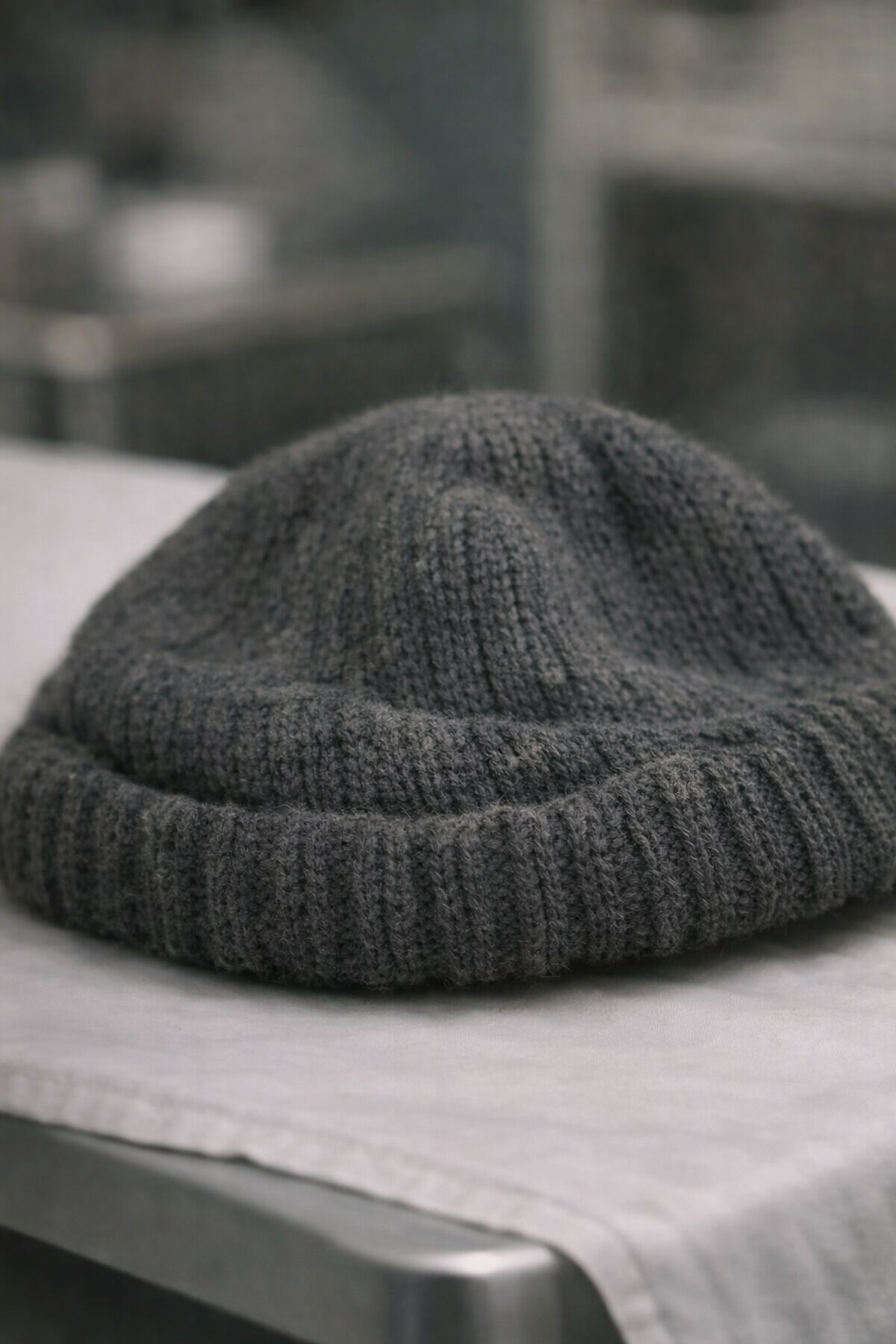
The “winter hat” had simply become the easiest way to keep everything hidden.
Sofia carefully examined the situation and immediately understood the real issue: it wasn’t just medical—it was emotional. The boy wasn’t only protecting his head; he was protecting himself from attention and embarrassment.
She gently replaced the bandage covering, making sure it was comfortable.
— “Thank you for trusting me,” she said softly. “But you don’t need to suffer in silence. We can make this easier for you.”
Later that day, Sofia spoke again with the homeroom teacher, explaining the situation in general terms without violating the child’s privacy. Together, they agreed on a plan to support him discreetly so he would not feel different or exposed in front of other students.
They also contacted the parents again—but this time, the conversation was calmer and more productive. Sofia explained that while protecting a child’s privacy is important, extreme isolation can sometimes create fear and anxiety.
After a long pause, the father’s tone changed. This time, he sounded less defensive.
— “He was embarrassed after the hospital,” he admitted quietly. “I just didn’t want him to be teased.”
Over the following weeks, things slowly improved.
The boy began to remove the hat in safer environments. Eventually, he no longer needed it at all inside school. His classmates, guided gently by teachers, treated him normally—no questions, no staring.
One afternoon, he walked into Sofia’s office again, this time holding the winter hat in his hands.
— “I don’t need it today,” he said quietly, almost surprised by his own words.
Sofia smiled.
— “That’s great,” she replied. “But you can keep it if it makes you feel safe.”
The boy shook his head.
— “I think I’m okay now.”
And for the first time in a long while, he walked out of the room without covering his head.