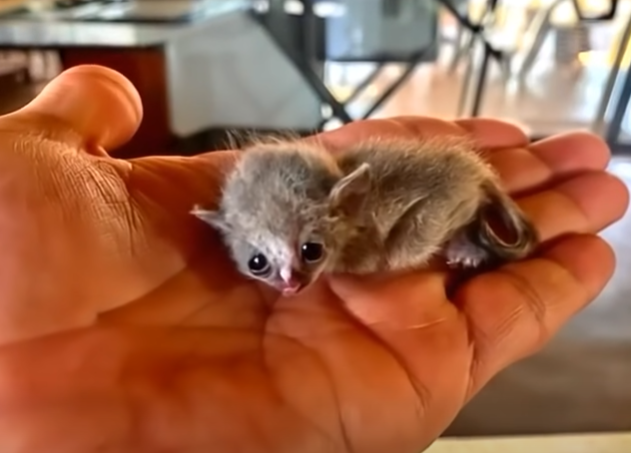
An Unexpected Reaction at the Clinic
At the clinic, an experienced veterinarian began a routine examination. Within moments, however, his expression changed. He paused, looked more closely, and carefully placed the animal back into its carrier.
“This isn’t a domestic kitten,” he said cautiously.
At first, Anton assumed it might be another small animal species. But the veterinarian explained that certain physical features—such as the ear shape, paw size, and overall structure—suggested it could be a wild feline, possibly the result of non-standard or illegal breeding.
Why Identification Matters
Young wild animals can sometimes resemble domestic pets, especially at an early age. However, they often have very different needs, behaviors, and instincts. Even when they appear calm at first, wild species are not suited to home environments and can become unpredictable as they grow.
In situations like this, it’s important to avoid handling the animal too much and to contact local wildlife authorities or trained professionals who can properly identify and care for it.
What Happened Next
Following the veterinarian’s advice, Anton contacted a wildlife rescue service. Specialists arrived to assess the situation and safely transport the animal to a facility equipped to care for wild species.
They confirmed that the animal was not a typical pet and required a controlled environment with trained handlers.
A Lesson in Good Intentions
Anton’s initial instinct—to help an animal in need—was well-meaning. However, the experience highlighted an important lesson: not every animal found alone is safe to handle or suitable as a pet.
Wildlife experts recommend observing from a distance and contacting professionals whenever there is uncertainty. This helps protect both people and animals.
Final Thoughts
What began as a simple act of kindness turned into an eye-opening experience. It serves as a reminder that appearances can be misleading, and that proper identification is essential when dealing with unfamiliar animals.
If you ever encounter a similar situation, reaching out to local animal services or wildlife organizations is the safest and most responsible step.