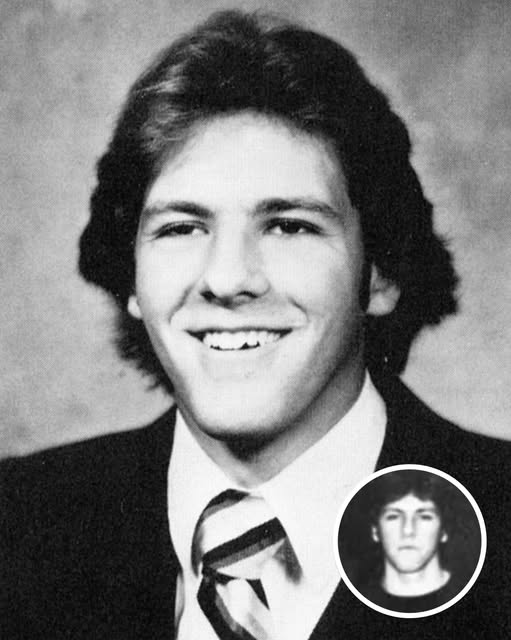
Even as a student, he stood out—not just for his presence, but for his ability to connect with people. He was approachable, confident, and quietly charismatic, qualities that would later define his on-screen performances.
The Slow Road to Success
After graduating from Rutgers University with a degree in communications, Gandolfini didn’t step straight into fame. Like many actors, he faced years of uncertainty—working different jobs while gradually building his experience in smaller roles.
There was no overnight breakthrough. Instead, his career was built step by step, role by role, with persistence and dedication shaping his path.
The Role That Changed Television
Everything shifted in 1999 when Gandolfini took on the role of Tony Soprano. The character—a complex mob leader balancing crime and personal struggles—was unlike anything audiences had seen before.
His performance brought depth, vulnerability, and realism to the role, turning Tony Soprano into one of television’s most iconic figures. The success of the series didn’t just elevate his career—it changed the industry itself.
Gandolfini’s portrayal helped redefine the “antihero,” proving that audiences could connect with flawed, layered characters.
Recognition and Lasting Influence
His work earned widespread acclaim, including multiple Emmy Awards and a Golden Globe. But beyond awards, his impact was cultural. He set a new standard for character-driven storytelling, influencing countless shows that followed.
Even today, his performance is studied as a benchmark of excellence in acting.
A Different Person Off Screen
Despite playing intense roles, Gandolfini’s real-life personality was the opposite. Friends and colleagues described him as kind, humble, and generous. He often downplayed his success, focusing more on the craft than the fame that came with it.
This contrast made his performances even more impressive—he could embody powerful, intimidating characters while remaining grounded and approachable in real life.
Family and Personal Life
Beyond acting, he valued his role as a father and husband. His family remained central to his life, providing balance outside the demands of his career.
His son, Michael Gandolfini, would later step into the world his father helped shape—portraying a younger version of Tony Soprano, continuing a legacy that is both personal and professional.
A Sudden Loss, A Lasting Impact
In 2013, Gandolfini’s life was cut short unexpectedly at the age of 51. The news shocked fans and the entertainment world alike. Tributes poured in, reflecting not just admiration for his work, but respect for who he was as a person.
His passing left a void—but also a legacy that continues to resonate.
Why His Legacy Endures
Years later, his influence remains strong. His performances still captivate new audiences, and his approach to acting continues to inspire future generations.
He didn’t just play a role—he changed how stories are told.
A Story Worth Remembering
James Gandolfini’s journey proves that success isn’t about instant recognition—it’s about consistency, authenticity, and staying true to your craft. From modest beginnings to global recognition, he built a career that still shapes the industry today.
His story is a reminder that the most powerful impact comes not just from talent, but from the way you connect—with your work and with others.
👉 If this story resonated with you, share it and celebrate the legacy of an actor who changed television forever.