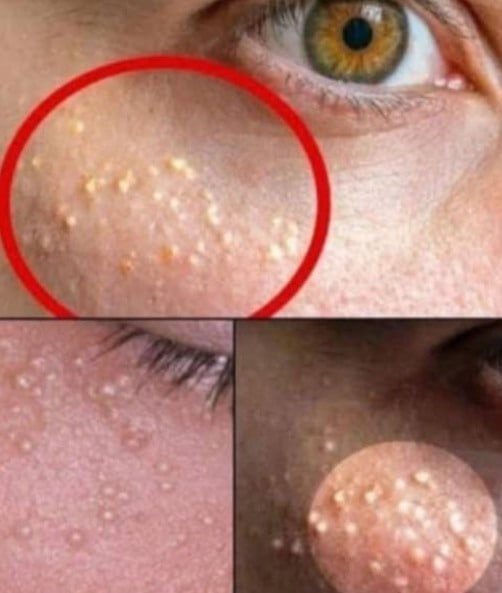
Common Causes
The main culprit is blocked skin channels that trap dead cells. Common triggers include:
- Skin trauma or burns
- Excessive sun exposure
- Aggressive cosmetic treatments like laser therapy or chemical peels
- Heavy or oily skincare products
Sometimes, milia can appear without any obvious cause, making prevention even more important.
How Are Milia Treated?
Many milia resolve on their own over time. If they persist or bother you aesthetically, a dermatologist can help.
Professional removal is quick and safe:
- A sterilized needle makes a tiny incision to extract the cyst
- Scarring is rare
- In some cases, gentle exfoliants or topical treatments may be recommended
Never try to squeeze or pick at milia yourself—it can cause irritation or infection.
How to Prevent Milia
Keeping milia away starts with a smart, gentle skincare routine:
- Avoid harsh procedures, burns, or over-exfoliation
- Choose products suited to your skin type (normal, dry, oily, or combination)
- Remove makeup with gentle cleansers
- Wash your face with warm water and pat dry with a soft towel
- Exfoliate only 1–2 times per week using mild products
- Pay extra attention to the delicate eye area
- Use non-comedogenic moisturizers that don’t clog pores
- Opt for lightweight, non-greasy makeup, preferably powders

Consistency is key. With the right care, your skin can stay clear, fresh, and free from milia.
Milia may be harmless, but prevention and proper care make all the difference. Stick to gentle routines, avoid heavy products, and consult a dermatologist if bumps persist.
Have you struggled with milia? Share your tips and experiences in the comments below!