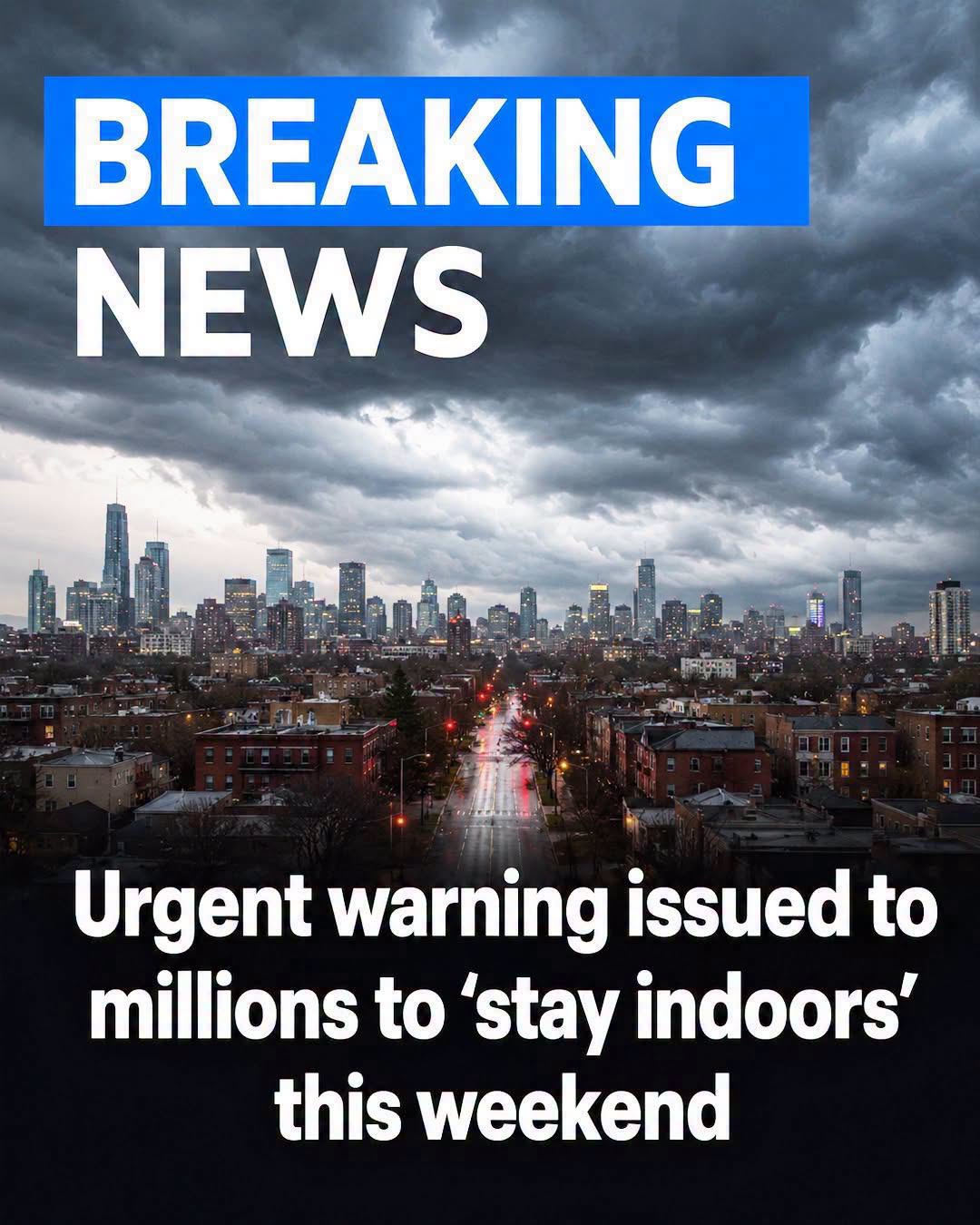
Why Extreme Heat Matters
Extended heat events can affect more than daily comfort. High temperatures may place additional strain on power systems, increase wildfire risk in dry regions, and contribute to heat-related illnesses if proper precautions are not taken.
Public health officials recommend paying close attention to local forecasts and following guidance issued by emergency management agencies and weather services.
How to Stay Safe During Hot Weather
Simple preventive measures can help reduce the risk of heat-related illness:
- Drink plenty of water throughout the day.
- Limit strenuous outdoor activities during peak afternoon hours.
- Wear lightweight, light-colored clothing when outside.
- Spend time in air-conditioned buildings or cool indoor spaces when possible.
- Never leave children or pets unattended in parked vehicles.
- Check on older relatives, neighbors, and anyone who may be more vulnerable to extreme heat.
People who work outdoors are encouraged to take frequent breaks in shaded or cool areas and remain hydrated.
Travel and Outdoor Activities
Those planning outdoor events, sporting activities, or travel should monitor local weather updates, as extreme heat may affect schedules and increase the risk of dehydration or heat exhaustion.
Pet owners should also remember that sidewalks and pavement can become extremely hot during the day, potentially causing discomfort or injury to animals’ paws.
Stay Informed Through Official Sources
Forecasts may change as weather patterns evolve, so it’s important to follow updates from trusted sources such as the National Weather Service, local emergency management offices, and local news outlets.
Heat advisories, excessive heat warnings, and other public safety announcements are issued to help communities prepare and reduce preventable health risks.
Looking Ahead
Meteorologists will continue monitoring conditions throughout the weekend, and additional advisories may be issued if temperatures remain unusually high.
Preparing in advance, staying hydrated, and following official guidance can help individuals and families remain safe during periods of extreme heat. Small precautions today can make a meaningful difference while high temperatures persist.