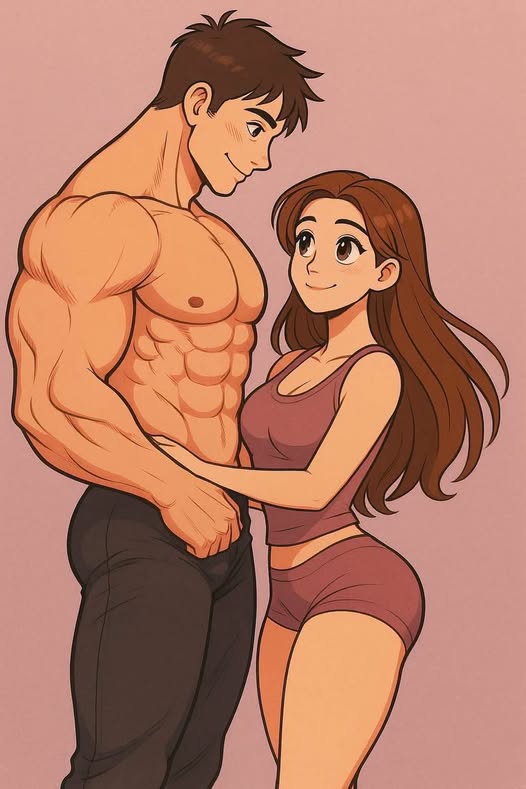
In social psychology, this can connect to what’s often called the halo effect—where one noticeable trait (like height) influences how we assume other qualities, such as intelligence or ambition.
Attraction to Shorter Women
On the other hand, some people are drawn to shorter partners because of a different set of associations. Shorter stature is often perceived as approachable, warm, or nurturing. These impressions don’t define reality, but they can influence initial attraction, especially in early interactions.
There can also be a comfort factor—some individuals simply feel more at ease with certain physical dynamics, and that plays a role in preference just as much as appearance does.
The Role of Perception and Bias
It’s important to remember that these are broad tendencies, not fixed rules. Human attraction is complex and shaped by culture, experience, and personal values. What one person interprets as confidence, another may interpret differently.
Height often acts as a shortcut for the brain—but real compatibility comes from personality, communication, and shared values.
What Really Matters Long-Term
While height might spark initial interest, it rarely determines the success of a relationship. Traits like emotional intelligence, respect, and mutual understanding carry far more weight over time.
In today’s dating landscape, people are increasingly moving beyond surface-level preferences and focusing on deeper connections. Height may open the door—but it doesn’t decide what happens next.
The Takeaway
Whether someone prefers taller or shorter partners often reflects personal perception more than universal truth. Attraction is layered, and height is just one small piece of a much bigger picture.
What’s your take—do physical traits like height influence your first impressions, or do you focus more on personality? Share your thoughts and join the discussion!