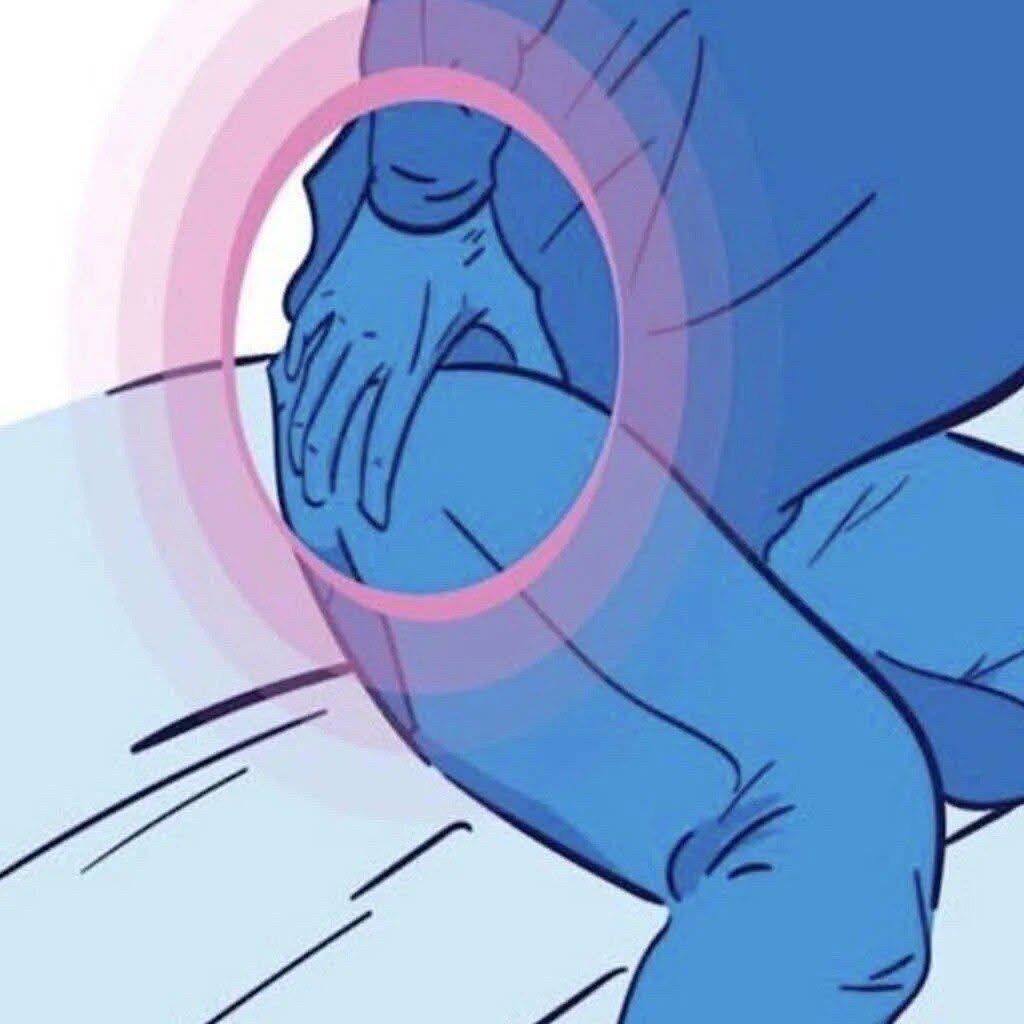
When to See a Doctor
Early evaluation by an orthopedic or sports medicine specialist is key. Medical professionals can assess hip function, recommend imaging like X-rays or MRI, and identify cartilage issues, inflammation, or soft tissue injuries. Early diagnosis allows interventions—such as physical therapy, targeted exercises, and activity adjustments—to be more effective, reducing discomfort and slowing progression.
Lifestyle Factors for Hip Health
Your daily habits can affect hip function:
- Body weight: Maintaining a healthy weight reduces stress on hip joints.
- Posture: Prolonged sitting or poor posture can strain the hip.
- Footwear: Supportive shoes help distribute forces evenly.
- Diet: Balanced nutrition supports tissue health and reduces inflammation.
Exercise for Strong, Stable Hips
Movement is crucial. High-impact activities may worsen pain, but avoiding exercise can lead to stiffness and weakness. Low-impact options such as swimming, cycling, and walking promote mobility, circulation, and joint health.
Strengthening key muscles also protects the hip:
- Glutes
- Core
- Thighs
Exercises like bridges, side leg raises, and controlled hip movements—ideally guided by a physical therapist—help stabilize the joint and improve confidence in movement.
Long-Term Hip Care
Hip health requires consistent attention. Listening to your body, making small adjustments to posture and activity, and following medical guidance can preserve mobility and independence. Gradual, steady efforts often provide more lasting results than dramatic changes.
By taking care of your hips today, you can maintain comfort, strength, and confidence in your movements for years to come.