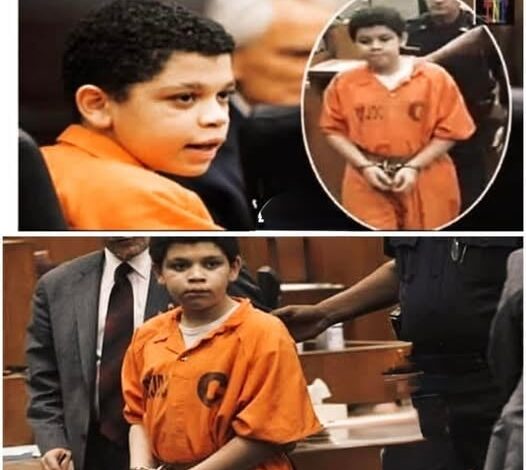
The highest court in the country has begun to reflect that understanding. In Miller v. Alabama, the Supreme Court ruled that mandatory life-without-parole sentences for juveniles are unconstitutional. That decision was reinforced by Montgomery v. Louisiana, which required states to revisit old sentences. Still, progress has been uneven. Many cases remain stuck in review processes, leaving people who entered prison as children waiting for clarity decades later.
Reform advocates are pushing for a justice model that balances accountability with the possibility of change. Instead of permanent punishment, they argue for meaningful chances at release after demonstrated growth and rehabilitation. Some states have already moved in this direction, replacing life-without-parole with review hearings that consider who a person has become—not just who they were in a moment of crisis.
Globally, the U.S. stands apart. The United Nations Convention on the Rights of the Child rejects life sentences for children, calling them incompatible with basic human rights. Critics say America’s continued use of such punishments sends a bleak message: that some children are beyond redemption before they even reach adulthood.
The real question now isn’t only legal—it’s moral. Do we believe a child’s worst act should define their entire life? Or do we believe growth, accountability, and change deserve room to exist?
What do you think justice should look like when a child makes a terrible mistake? Share your thoughts and keep the conversation going.