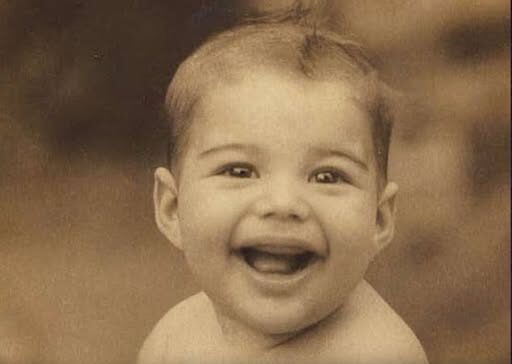
In 1964, political upheaval forced his family to leave Africa and relocate to England. This second major disruption pushed Mercury into a new environment, but it also placed him in London during a time of cultural transformation. The city’s growing music and art scene gave him opportunities to explore his ambitions more seriously.
He studied graphic design at Ealing Art College while quietly building his musical interests. Before fame, he worked ordinary jobs and performed with local bands, steadily developing his confidence and stage presence. Even then, those around him noticed his strong opinions about music and performance, along with a growing sense of artistic vision.
Everything changed when he joined guitarist Brian May and drummer Roger Taylor, forming what would become Queen, later completed by bassist John Deacon. It was Mercury who suggested the name “Queen,” reflecting his desire for boldness, theatricality, and impact. He also adopted the name Freddie Mercury, marking the beginning of a new identity.
What followed was one of the most influential careers in rock history. Queen delivered a string of timeless songs, including Bohemian Rhapsody, We Are the Champions, Somebody to Love, and Don’t Stop Me Now. Mercury’s ability to command audiences transformed live performance into something theatrical, emotional, and unforgettable. His appearance at Live Aid in 1985 is still regarded as one of the greatest live performances ever recorded.

Offstage, Mercury remained more private and reflective, but his artistic output never slowed. Even after being diagnosed with AIDS in 1987, he continued recording music with Queen, determined to create as long as possible. His final works were later released posthumously, underscoring his lifelong dedication to art.
He passed away in 1991 at the age of 45, one day after publicly confirming his illness. His death brought global mourning and also helped raise awareness of HIV/AIDS at a critical moment in history. A tribute concert held at Wembley Stadium the following year celebrated his life and raised funds for research.
At the time of his passing, Mercury’s estate was valued in the tens of millions, but his true legacy cannot be measured in financial terms. Much of his estate was left to Mary Austin and his family, reflecting the deep personal relationships that shaped his life beyond fame.
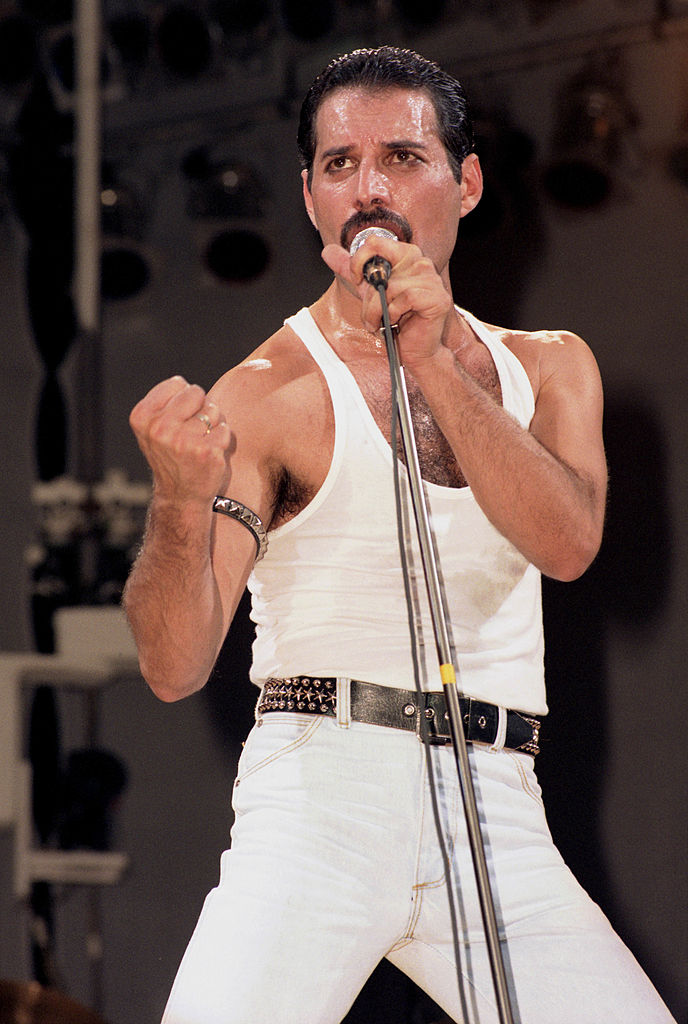
Freddie Mercury’s story is ultimately one of transformation. From a lonely child navigating separation and uncertainty to a global icon who redefined what it meant to perform on stage, his life stands as a testament to resilience and artistic courage.
He turned struggle into strength, insecurity into expression, and individuality into power. Decades later, his music and presence continue to inspire new generations around the world.
If this story moved you, share your thoughts below and explore more inspiring life journeys that shaped music history and beyond.