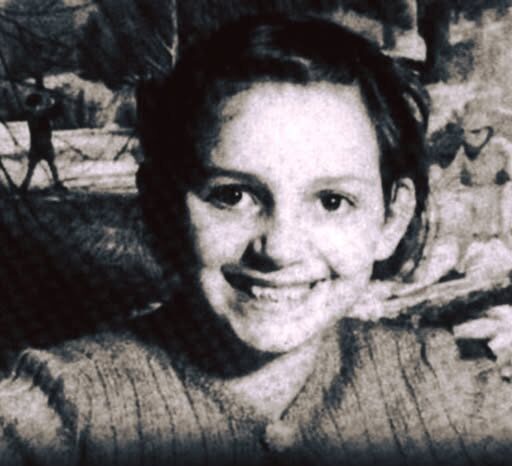
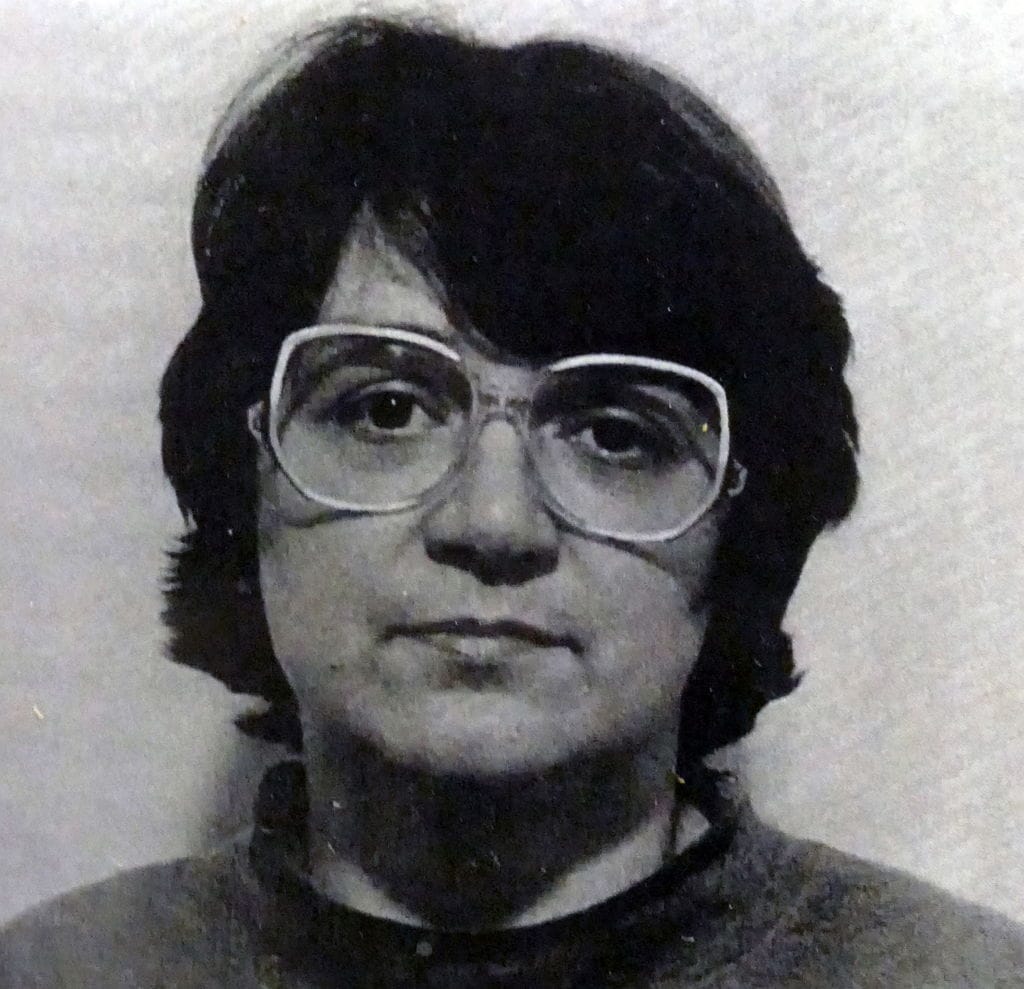
By 1953, Daisy underwent electroconvulsive therapy (ECT) while pregnant with Rose, a treatment that involved shocking her brain with electricity. Observers later noted unusual behaviors in Rose as a child, including rocking her head for hours and rhythmic head-banging—early signs of a turbulent upbringing. Reports also suggest her father suffered from paranoid schizophrenia and that Rose may have endured grooming and abuse from him and her grandfather.
The Meeting That Changed Everything
At 15, Rose met Fred West, a man 12 years her senior, divorced, and already a father. Their connection quickly turned romantic, and she became the nanny to his daughters. Fred’s own troubled past—marked by childhood abuse, head injuries, and early criminal activity—foreshadowed the darkness their partnership would unleash.
Once married in the early 1970s, their depravity escalated. Rose committed her first known murder while Fred was in jail, killing an 8-year-old girl in their household. From 1973 onward, the couple lured young women to their home under the pretense of employment, subjecting victims to torture, sexual assault, and murder before burying them on the property. Their own children were also abused, with hospital records showing 31 admissions for injuries between 1972 and 1992—yet social services were never alerted. Their final known act was the murder of their daughter Heather in 1987, after she tried to escape their control.
Discovery and Justice
Authorities were tipped off after Heather confided in a friend. Subsequent investigations uncovered corroborating testimony from her siblings, revealing a chilling history of abuse. Police eventually excavated 25 Cromwell Street, uncovering Heather’s remains and prompting Fred’s confession to multiple murders. Rose was arrested on April 20, 1994.
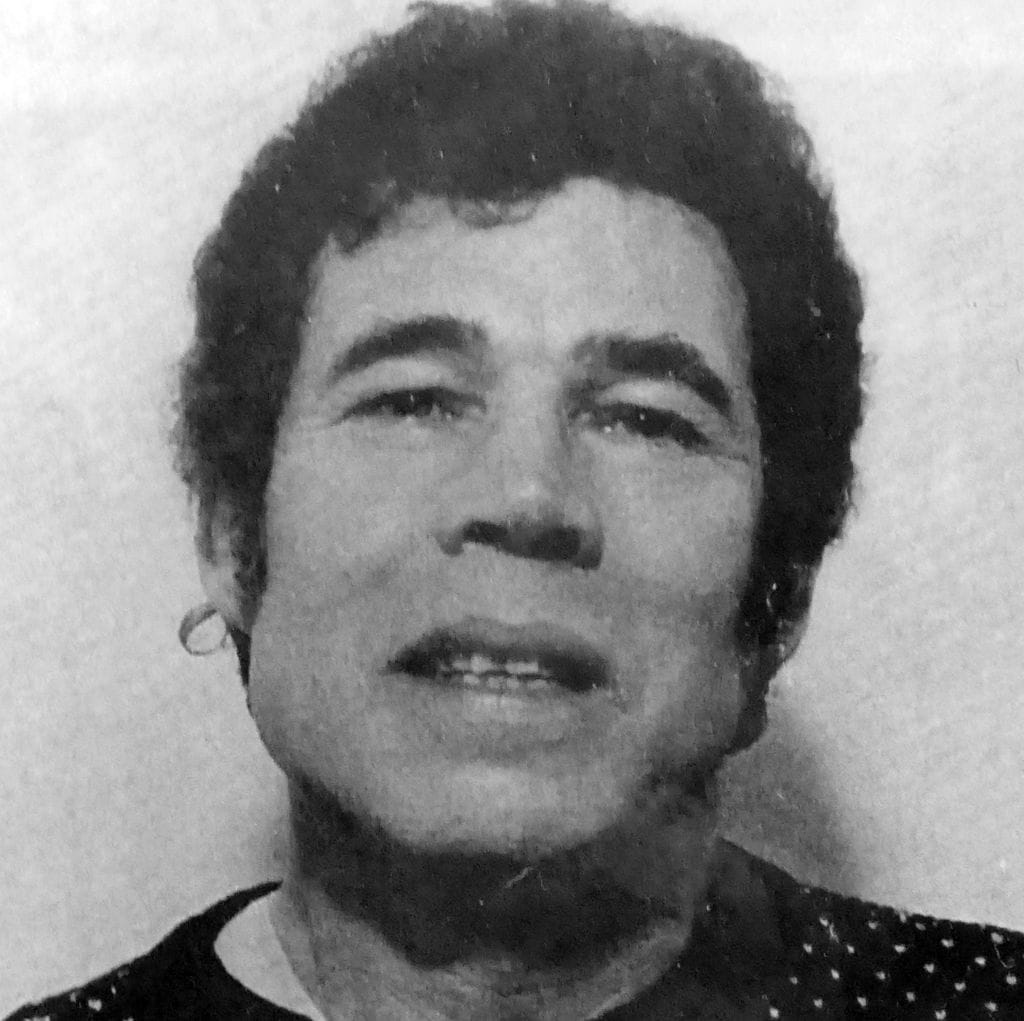
Fred died by suicide before his trial, leaving Rose to face justice alone. During her 1995 trial, she claimed she was a victim of her husband’s influence, but multiple witnesses—including stepdaughter Anna Marie and family members—testified against her. After seven weeks in court, Rose was convicted on ten counts of murder and sentenced to life imprisonment without parole. The infamous house at 25 Cromwell Street was demolished in October 1996.
Life Behind Bars
Today, Rose West is serving her sentence at HM Prison New Hall in West Yorkshire, spending her time listening to music, playing board games, and teaching cross-stitch to inmates. Transfers between prisons have been frequent due to safety concerns. Public interest in the case remains high, reignited by the Netflix docuseries Fred and Rose West: A British Horror Story, which offers a chilling look at the crimes that shocked the world.
Survivors and family members continue to live with the trauma. Anna Marie, the Wests’ oldest surviving child, remains estranged from her siblings, highlighting the long-lasting psychological impact of growing up in one of Britain’s most notorious households.
What lessons can communities learn from cases like Rose West’s to protect vulnerable families today?
Share your thoughts below and help raise awareness about domestic abuse and early warning signs.