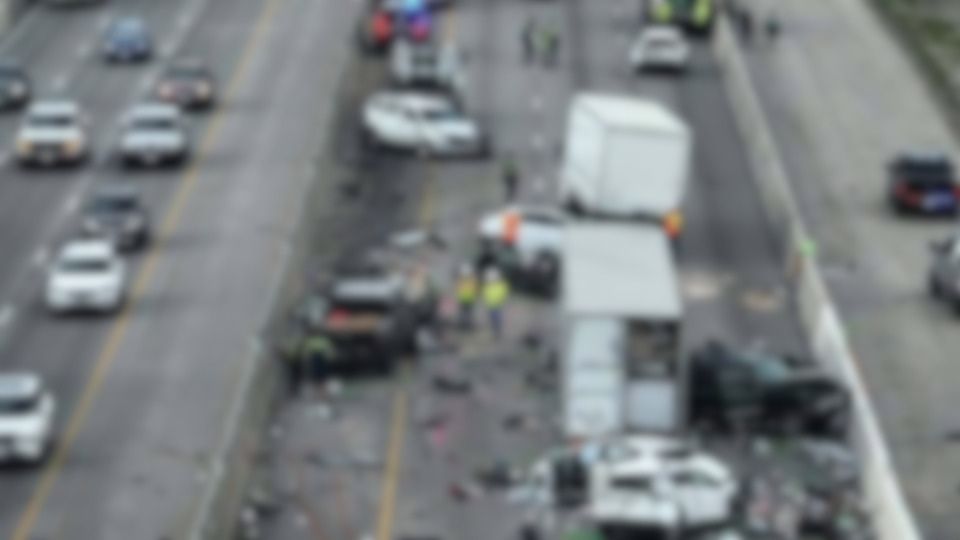
First Responders Faced Extraordinary Challenges
Amid the chaos, emergency personnel, firefighters, police officers, and medical teams worked tirelessly to assist survivors and secure the area.
Their efforts provided critical support during one of the most difficult moments imaginable. While much of the public followed developments through news reports and social media updates, first responders were confronting the tragedy firsthand.
Their actions served as a reminder that behind every headline are real people whose lives have been affected in profound ways.
Grief Quickly Spread Beyond the Crash Site
In the days following the accident, communities gathered to honor those who lost their lives.
Memorials appeared along roadsides. Candles were lit. Families, friends, and strangers came together to express support and share grief.
For many, these gatherings represented more than remembrance. They became calls for accountability and meaningful action aimed at preventing future tragedies.
The emotional impact of the disaster extended far beyond the immediate victims, affecting entire communities connected by loss.
Investigations Highlight Broader Safety Concerns
As investigators examined the circumstances surrounding the crash, attention increasingly focused on questions about transportation safety and regulatory oversight.
Reports suggested that concerns involving fuel transportation practices, infrastructure safety, and enforcement measures may have contributed to conditions that increased risk on the roadway.
While investigations continue, many experts stress that major transportation incidents often reveal broader systemic issues that deserve careful review and improvement.
Safety advocates argue that every tragedy presents an opportunity to identify weaknesses and strengthen protections for future travelers.
The Human Cost Behind Every Statistic
In the aftermath of major accidents, public discussions often focus on numbers and official reports.
Yet behind every statistic is a person with a family, dreams, responsibilities, and relationships that can never be replaced.
For loved ones, the consequences of such events continue long after media coverage fades. Empty seats at family gatherings, unfinished plans, and cherished memories become lasting reminders of lives interrupted too soon.
Recognizing this human dimension is essential when discussing public safety and policy reform.
Why Road Safety Remains a Critical Issue
Transportation experts consistently emphasize that road safety requires a combination of factors working together effectively.
These include:
- Proper vehicle maintenance
- Strong regulatory oversight
- Infrastructure improvements
- Driver training and safety standards
- Emergency preparedness
- Consistent enforcement of transportation laws
When any of these elements fall short, the potential consequences can be severe.
Many advocates believe tragedies like this underscore the importance of investing in safer transportation systems and stronger preventive measures.
Accountability and Reform Take Center Stage
As public attention remains focused on the incident, many are calling for thorough investigations and transparent findings.
Families affected by the tragedy, along with safety advocates and community leaders, continue to seek answers about what happened and how similar events can be prevented in the future.
Experts note that meaningful change often emerges only when difficult questions are asked and lessons are applied through policy improvements, infrastructure investments, and stronger safety standards.
A Reminder of the Value of Human Life
Beyond transportation policy and regulatory discussions, the tragedy serves as a powerful reminder of how quickly life can change.
Every person who boards a bus, drives to work, or travels a familiar route expects to arrive safely. Protecting that expectation requires ongoing commitment from governments, transportation providers, regulators, and communities alike.
True progress is not measured solely by economic growth or infrastructure expansion, but by the extent to which systems protect the people who depend on them every day.
Final Thoughts
As the nation continues to reflect on this devastating highway disaster, the focus remains on honoring those affected while seeking solutions that can help prevent future tragedies.
The memories of those who lost their lives deserve more than temporary attention. They deserve meaningful action, stronger safeguards, and a commitment to ensuring safer journeys for everyone who travels the nation’s roads.
While the physical wreckage may eventually disappear, the lessons from that day should not.
The most lasting tribute may be a renewed determination to create transportation systems where safety is never treated as an afterthought, and where every journey has the best possible chance of ending safely.