Food industry analysts and independent testing groups have since pointed toward a more complicated explanation: the modern meat supply chain is far less transparent than most consumers realize. While products remain safe under regulatory standards, the grading and sourcing systems behind them are increasingly blurred by cost-saving practices and industrial blending techniques.
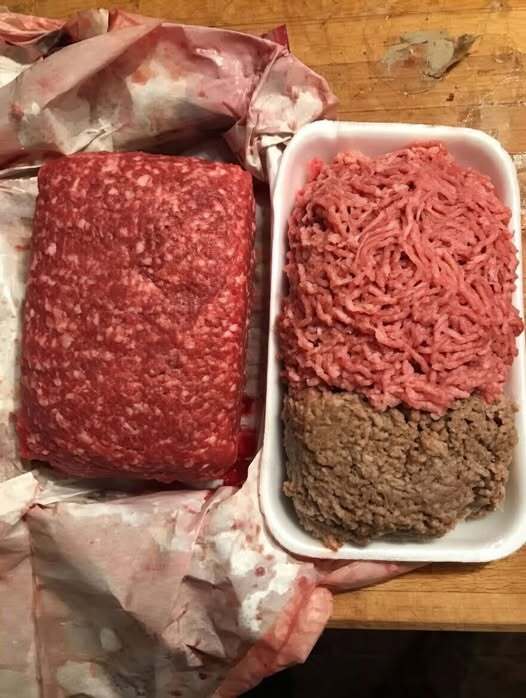
One of the key concerns is what experts refer to as “grade mixing.” In simplified terms, meat from different quality tiers may be combined during processing or packaging, then distributed under a single retail label. Because appearance can be standardized through trimming, grinding, or portioning, the final product often looks identical on the shelf—despite differences in origin or quality.
Another widespread practice involves moisture enhancement. Solutions containing water, salt, and stabilizers are sometimes added to increase weight and preserve appearance. While marketed as improving juiciness, this process can also dilute natural fat content and alter how meat behaves during cooking. The result is often a product that looks full and firm in packaging but shrinks or toughens significantly in the pan.
For consumers, the issue is not just technical—it is emotional. Meat is one of the most expensive and meaningful parts of a household grocery budget. When a carefully planned meal fails to meet expectations, the disappointment feels personal. It is not simply about flavor; it is about trust in the system that promised consistency.
In response, food advocates encourage shoppers to become more label-aware. Terms like “enhanced,” “pre-treated,” or vague origin statements can signal processing steps that affect quality. More transparent options often include clearly identified sourcing, minimal processing claims, or direct-farm labeling where available.
Still, many experts point to a simpler solution: shortening the supply chain. Local butchers, co-ops, and farm-direct sellers often provide clearer information about sourcing and handling. While prices may vary, the tradeoff is greater transparency and a closer connection to how food is produced.
The industry itself is beginning to feel pressure. Growing consumer skepticism is pushing retailers and regulators to revisit labeling standards and supplier accountability. Whether that leads to meaningful change remains to be seen.
For now, the responsibility largely sits with the shopper. Awareness has become part of the purchase. Every trip to the meat counter is no longer just about choosing a cut—it is about interpreting a system that rarely explains itself fully.
If this made you rethink what really goes into your grocery cart, share your thoughts below—and stay curious about what’s really behind everyday labels.