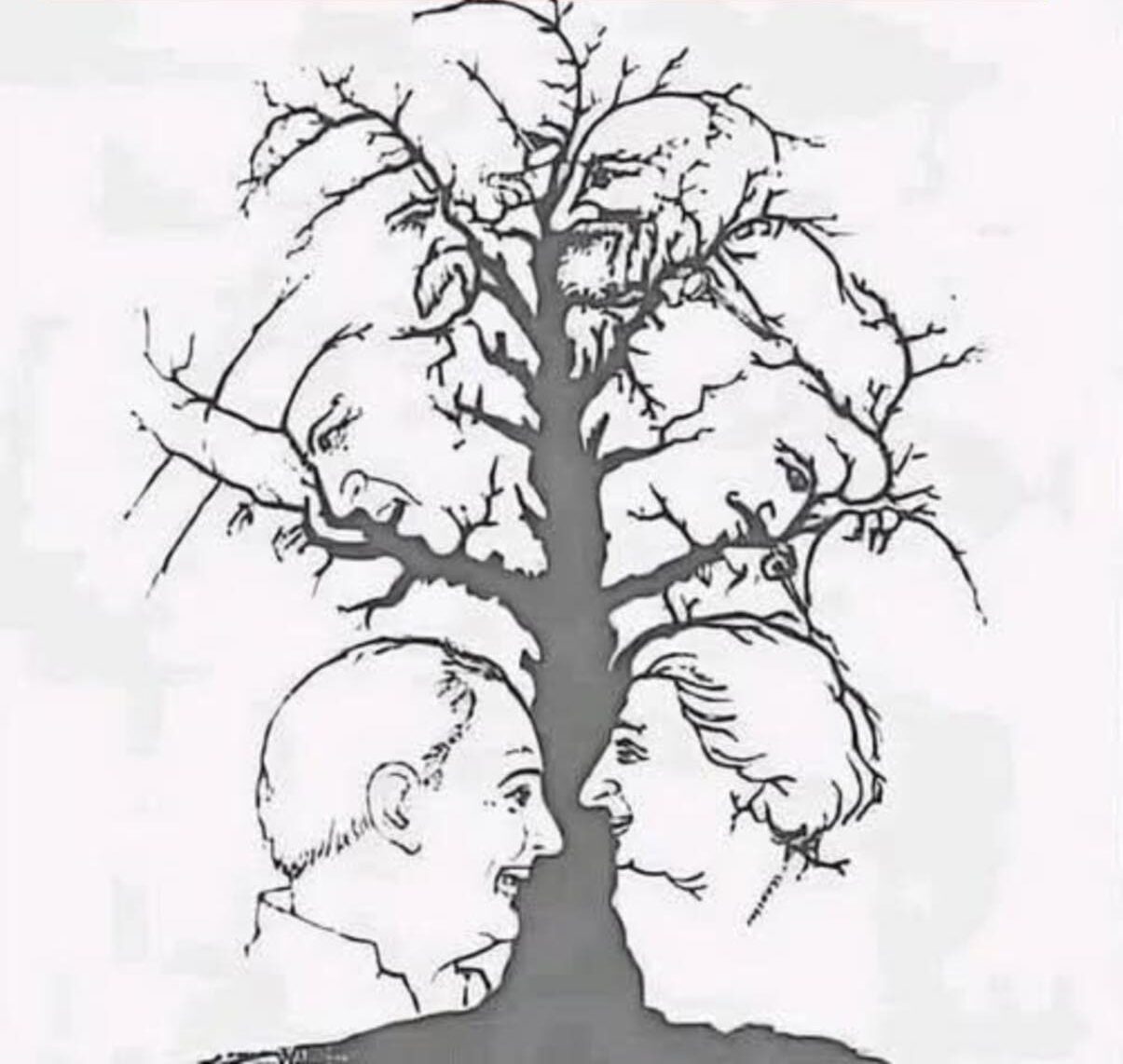
- 5–6 faces: Above baseline; functional visual skills, but room for sharper focus.
- 7–8 faces: Strong pattern recognition and memory; you’re highly observant.
- 9+ faces: Exceptional attention to detail and visual perception—a true puzzle master.
Remember, this is playful, not a medical test. The real reward is the mental exercise.
How the Illusion Trains Your Brain
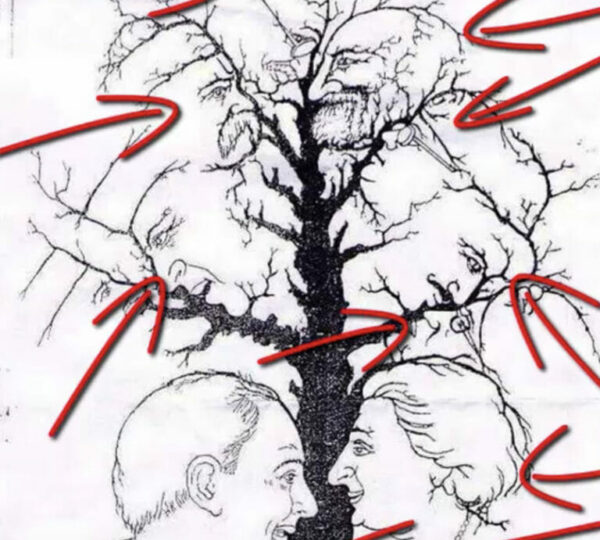
Searching for hidden faces engages multiple brain regions:
- Occipital lobe: Processes visual information.
- Prefrontal cortex: Guides decision-making and problem-solving.
- Working memory: Tracks faces you’ve found to avoid repetition and mentally map the image.
Regularly tackling puzzles like this strengthens focus, memory, and neural plasticity—your brain’s ability to adapt and learn.
Tips to Spot More Faces
- Start with the obvious: Anchor your search with the easiest faces.
- Scan systematically: Divide the image mentally into sections.
- Look for shadows and subtle cues: Eyes and mouths often appear first.
- Step back: Some faces reveal themselves from a distance.
- Take breaks: Avoid visual fatigue.
- Practice: The more you try, the better your pattern recognition becomes.
A Tradition of Hidden Puzzles
Hidden-object puzzles aren’t new. Renaissance artists often embedded symbols or figures in paintings, and Eastern mandalas hid subtle motifs requiring mindfulness. In the 20th century, educators formalized these exercises to boost attention, memory, and problem-solving. Today, digital versions like the “National Leaders Tree” combine centuries of tradition with social interaction and viral engagement.
The Social Side of Illusions
Online, people share screenshots, compare results, and challenge friends. Some even create “tiers” of skill—from novice to elite pattern recognizers—turning brain teasers into social competitions. This mix of cognitive challenge and community makes optical illusions endlessly appealing.
Why We Keep Coming Back
Optical illusions deliver more than amusement. They provide:
- Mental stimulation: Boosting memory, focus, and visual processing.
- A sense of accomplishment: Finding a hidden face triggers a small dopamine reward.
- Social connection: Sharing, comparing, and celebrating discoveries online.
- Fun challenge: They teach patience, attention to detail, and creative thinking.
The “National Leaders Tree” is the perfect blend of artistry and challenge. Some faces are easy, others nearly invisible—mirroring life’s complexity and training the brain to spot patterns, even in chaos.
In Conclusion
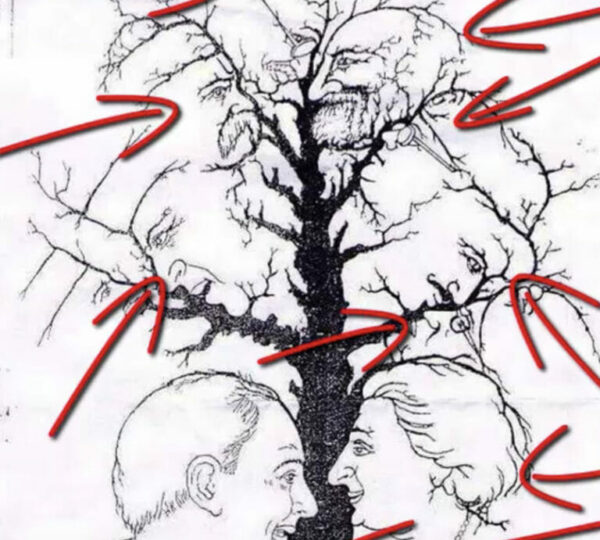
Whether you find two faces or more than nine, the value lies in the process of discovery. Optical illusions like this one sharpen your mind, improve memory, and make you see the world in new ways. Every hidden face you uncover is a small victory, a playful mental workout, and a reminder that perception is both unique and powerful.
Ready to test your eyes and brain? Grab a copy of the “National Leaders Tree” and see how many hidden faces you can spot—then challenge your friends and see who’s the sharpest observer!