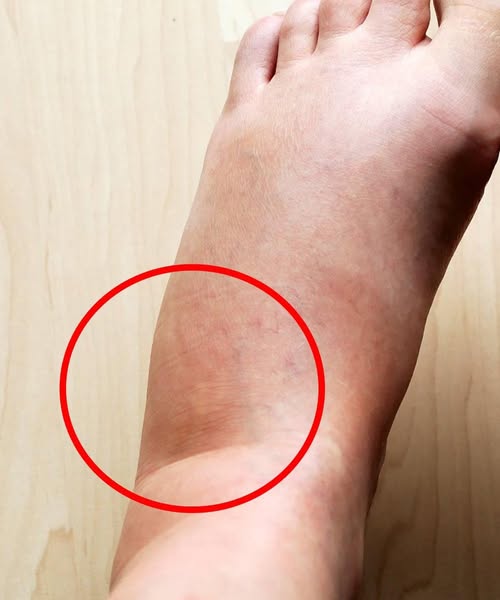
Swollen feet are more than just uncomfortable—they can be a signal from your body. Medically known as edema, swelling happens when extra fluid collects in your tissues. While it’s common and often harmless, persistent or severe swelling may require attention. Knowing the causes, symptoms, and gentle ways to manage it can help you stay comfortable and proactive about your health.
Why Feet Swell and How It Feels
Swelling usually shows up as puffiness, tightness in shoes, or skin that looks stretched or shiny. In some cases, pressing the area leaves a temporary indentation, called pitting edema. Many notice swelling worsening by evening, especially after long periods of standing or sitting.
Everyday Causes You Might Recognize
Several common factors can make feet swell:
- Prolonged sitting or standing slows circulation, allowing fluid to pool.
- Heat causes blood vessels to expand, letting fluid seep into tissues.
- Diet high in salt can lead to water retention.
- Pregnancy naturally affects circulation, increasing foot and ankle swelling.
For many, these triggers are temporary and manageable with rest and simple self-care.
When Swelling Signals a Health Concern
Sometimes swollen feet point to more serious issues, including heart, kidney, or liver problems. Certain medications or injuries can also cause fluid buildup. Warning signs include:
- Sudden swelling or swelling in just one foot
Continue reading on next page…