
Some of the most fascinating photos online aren’t the result of expensive equipment or heavy editing—they come from something much simpler: perfect timing, natural lighting, and the right angle coming together in a single split second.
These “trick photos” often turn ordinary moments into surprising visual illusions. A small shift in perspective can completely change how an image is understood, transforming everyday scenes into something funny, confusing, or almost unbelievable at first glance.

What makes them so interesting is that most of these images happen by chance. A person moves slightly, the sun hits at just the right angle, or background elements line up in an unexpected way—and suddenly, a normal moment becomes a visual puzzle.
For example, a simple photo taken at the beach can look like a professionally staged shoot when lighting reflects perfectly off the water and highlights the subject in just the right way. At first glance, everything appears carefully planned, but in reality, it’s often just natural light doing the work.

In other cases, perspective plays the biggest role. A slight tilt of the head or camera can completely change how facial features or shadows are perceived. Something as simple as a beard, hairstyle, or shadow can create optical illusions that make people pause and look twice.
These images often spread quickly online because they trigger curiosity. Viewers instinctively try to “solve” what they’re seeing, breaking down the image to understand how the illusion was created. That moment of realization is part of what makes trick photography so entertaining.

Another popular style involves forced perspective, where objects appear larger, smaller, or closer than they really are. A small object placed near the camera can look enormous compared to the background, simply because of distance and alignment. This technique can make everyday scenes look surreal without any digital manipulation.

Human interaction also adds to the fun. Clever positioning can make it appear as though people are interacting in unexpected ways—like overlapping limbs, swapped body parts, or humorous misalignments that don’t actually exist. These moments often rely on timing and coordination, even if they happen accidentally.
Lighting remains one of the most powerful tools in creating these illusions. Shadows can stretch, distort, or merge shapes in ways that completely change perception. Bright sunlight, reflections, and background contrast all contribute to how the final image is interpreted.

What’s especially interesting is how easily the brain can be fooled. Our minds naturally try to simplify what we see, but trick photos disrupt that process. They force us to slow down, look closer, and rethink our first impression.
Social media has amplified the popularity of these images. A single unexpected photo can quickly go viral, simply because it makes people stop scrolling. The combination of humor, confusion, and surprise is what gives these pictures their wide appeal.
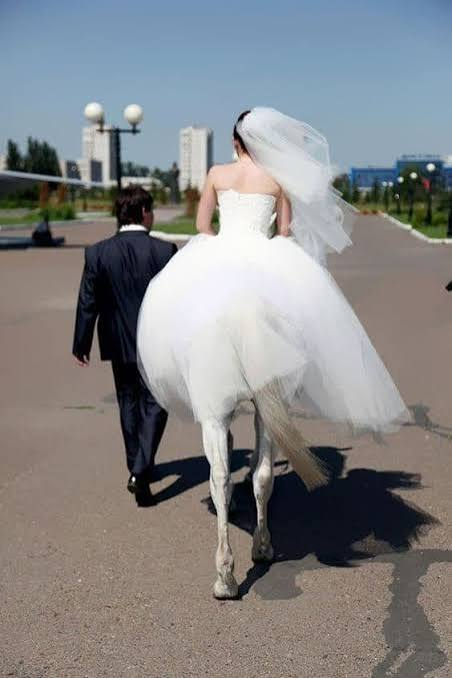
Despite how “edited” some of them may appear, many trick photos are completely real moments captured at the right time. That authenticity makes them even more impressive—it shows that creativity doesn’t always require software, just awareness and timing.
Of course, some photographers do enhance images to emphasize the illusion, but the core idea usually comes from real-life alignment and perspective tricks rather than heavy manipulation.
At its heart, trick photography is about seeing differently. It proves that reality can look completely different depending on where you stand, how you frame it, and when you press the shutter.
It also encourages creativity. With just a smartphone and a bit of observation, anyone can experiment with angles, lighting, and timing to create their own visual illusions. Often, the best results come from simply paying attention to everyday surroundings.
Ultimately, these photos remind us that the world is full of unexpected perspectives. What looks ordinary at first glance can quickly become something surprising when viewed from a different angle.