From early communal gatherings around firelight to modern dining rooms filled with structure and etiquette, eating together has never been only about food. It has always been about shared space—about conversation, rhythm, and presence. Even now, across cultures, meals continue to carry that same invisible architecture of connection.
In some places, long meals are built around storytelling and conversation that flows for hours. In others, shared dishes bring people physically closer, reinforcing unity through proximity. Elsewhere, seating arrangements reflect respect, hierarchy, or generational balance. Different cultures, same underlying truth: where people sit shapes how they relate.
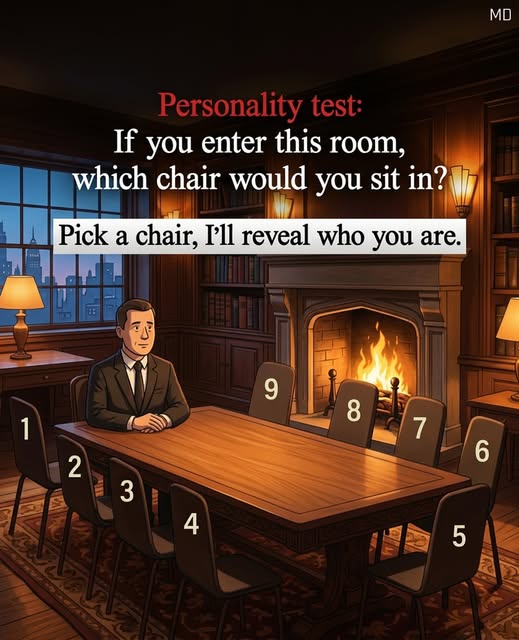
Within any table, certain positions naturally stand out.
The head of the table often carries quiet influence—not through authority alone, but through visibility. It subtly sets tone and direction. Some people step into that space comfortably; others avoid it entirely, preferring less exposure.
Side seats create a different dynamic altogether. Conversation there tends to feel easier, more continuous, less formal. It’s where side remarks, shared reactions, and quieter exchanges often thrive.
Central positions tend to act like connectors. From there, conversations intersect more frequently. People in these seats often find themselves bridging groups, shifting between discussions, unintentionally holding pieces of the social flow together.
At the edges, another experience forms. Observation becomes clearer. The full rhythm of the table is easier to see—the pauses, the laughter, the small shifts in attention. These seats often belong to those who listen more than they speak, yet still contribute through awareness and timing.
None of these positions are inherently better.
They simply offer different ways of experiencing the same moment.
And interestingly, most people choose without much thought. Habit, comfort, personality, and familiarity all play a role. Some are drawn to energy and interaction. Others prefer distance and observation. Some naturally lead conversations. Others quietly shape them from the margins.
But here’s the part that often gets overlooked: the seat itself is not what defines the experience.
It’s how you occupy it.
A person at the center can be completely disengaged. A person at the edge can be deeply connected. Influence doesn’t depend only on placement—it depends on presence. Listening, responding, noticing others, and making space in conversation matter far more than physical position.
A table is not fixed in meaning. It responds to the people around it.
The same arrangement can feel warm or distant, lively or flat, depending entirely on how those seated choose to engage. One person’s openness can shift the tone of an entire meal. One moment of attention can change who feels included.
That’s what makes these everyday gatherings more meaningful than they appear.
Not the furniture. Not the layout. Not the seating chart.
But the interaction happening within it.
Every shared meal carries that potential—a conversation that stays with someone, a moment of laughter that breaks tension, a small exchange that builds connection without effort or planning.
And it all begins with something as simple as choosing a seat.
But it doesn’t end there.
Because once the conversation starts, the seat becomes secondary.
What matters is how people meet each other in that space.
So the real question isn’t “Where will you sit?”
It’s what will you bring to the seat you choose.
If this resonated with you, share it with someone you’ve shared a table with—and think about the moments that happened there.