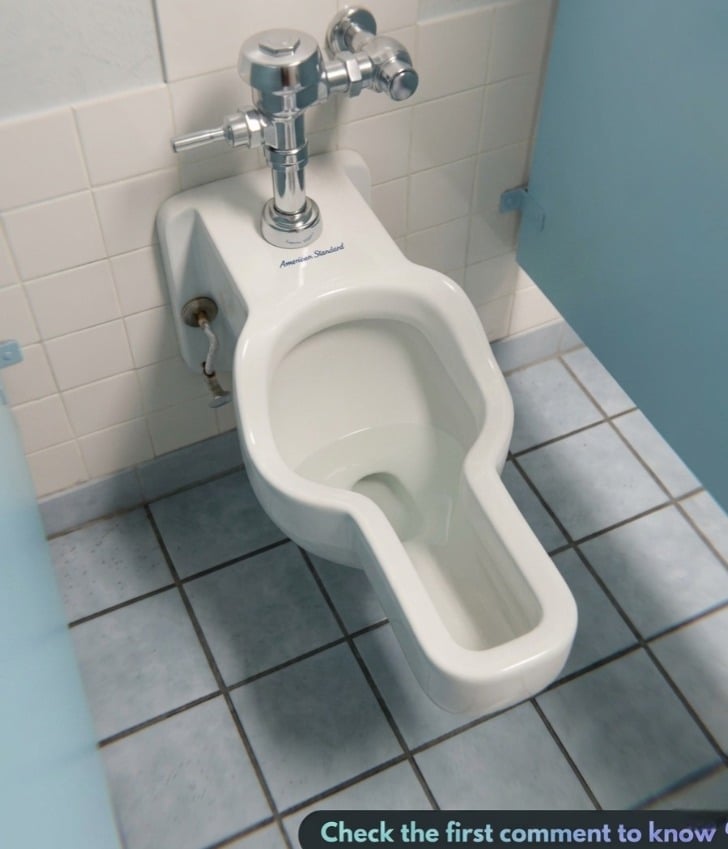
Rethinking Public Facility Design
In busy workplaces such as research centers, even small improvements in restroom flow can make a meaningful difference. Designers are exploring a range of solutions aimed at making facilities more efficient while maintaining comfort, cleanliness, and privacy for users.
Among the ideas being studied are redesigned fixtures that allow more flexible use of space and may help reduce congestion during peak hours. These concepts are part of a broader effort to modernize shared facilities in line with current workplace needs.
Focus on Hygiene and Efficiency
A key priority in modern restroom design is minimizing contact with shared surfaces and improving overall hygiene. Engineers are also considering how water usage can be reduced through more efficient systems, supporting sustainability goals in large facilities where consumption is high.
Inclusivity and User Experience
Another important aspect of these developments is accessibility. Designers aim to ensure that future restroom solutions accommodate a wide range of users comfortably and respectfully, while maintaining practicality in high-traffic environments.
Any new installation in professional or technical environments requires careful testing, user feedback, and thoughtful implementation to ensure it meets real-world needs.
Balancing Innovation and Practicality
While new concepts in restroom design are being explored across various industries, adoption depends on more than just technical feasibility. Cultural acceptance, usability, and clear communication all play a role in how such changes are received.
Experts emphasize that successful infrastructure updates must combine innovation with everyday practicality, ensuring that improvements genuinely enhance user experience.
Conclusion
Efforts to modernize public facilities, including those in specialized environments like space research centers, reflect a broader trend toward smarter, more efficient, and more inclusive design. As these ideas continue to develop, the focus remains on improving comfort, reducing environmental impact, and supporting the needs of all users in shared spaces.