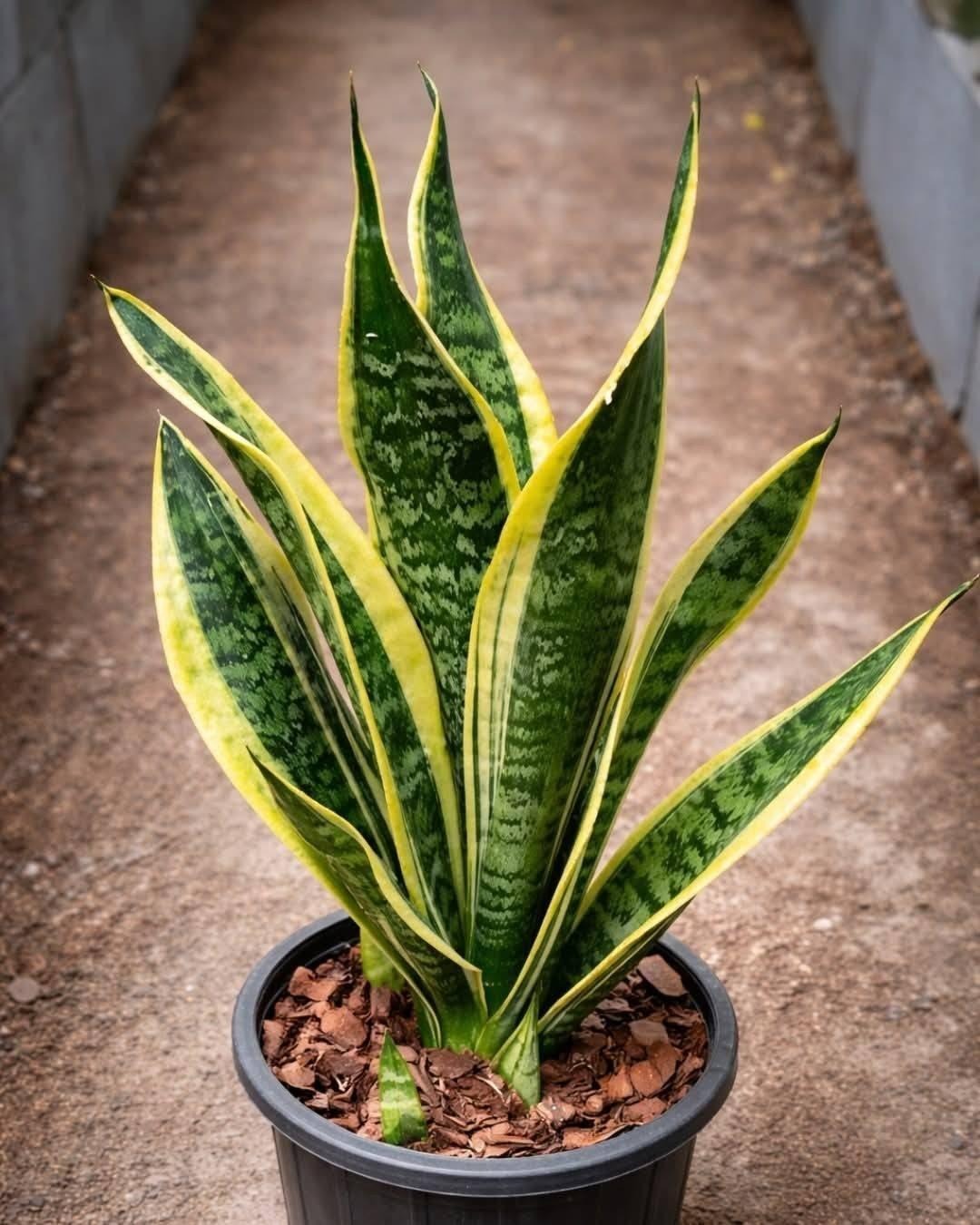
Another common example is the Money Plant, often referring to Pothos or Jade Plant. These are frequently associated with prosperity and financial growth in cultural practices such as Feng Shui and Vastu. You may see statements like “If you have a money plant, wealth will follow you.” In reality, these beliefs are symbolic rather than scientific. The plant itself does not influence financial outcomes, but it is valued for being easy to grow and for adding a sense of greenery and calm to indoor spaces.
Lavender is another plant often included in such claims, usually framed as “If you have lavender, you will sleep better.” In this case, there is some scientific support. Studies have shown that the scent of lavender may help reduce anxiety and improve sleep quality for some individuals, particularly when used in essential oils or placed near a bedside. While it is not a cure for sleep disorders, it can contribute to a more relaxing environment.
It is important to approach viral plant claims with a balanced perspective. While houseplants can improve mood, enhance interior spaces, and contribute to a sense of well-being, they are not magical solutions. Claims that they bring instant wealth, guaranteed health improvements, or supernatural protection are not supported by evidence.
In the end, plants are best appreciated for what they genuinely offer: natural beauty, a calming presence, and small but meaningful benefits to everyday living. Their value lies not in myths, but in the simple way they help people feel more connected to nature.
If you’d like, you can tell me the specific plant you’re curious about, and I can break down its real benefits and the myths surrounding it in detail.