- Swelling in hands, feet, or legs
- Cold extremities
- Slow-healing wounds or skin changes
When Veins May Signal a Problem
Sometimes, visible veins can point to conditions like:
- Varicose veins: Swollen, twisted veins causing heaviness, aching, or itching.
- Chronic venous insufficiency: Leg veins struggle to return blood to the heart, leading to swelling, skin changes, or ulcers.
Warning Signs to Watch
See a doctor if veins come with:
- Persistent swelling or pain
- Numbness, tingling, or cold feet
- Skin discoloration or slow-healing sores
- Veins that become hard, warm, sore, or suddenly more prominent
A painful, swollen leg could signal deep vein thrombosis, which needs urgent care.
Supporting Healthy Circulation
Healthy habits help circulation:
- Stay active with regular exercise
- Drink plenty of water
- Avoid smoking
- Manage chronic conditions like diabetes or high blood pressure
Supplements such as ginkgo biloba, horse chestnut, garlic, or fish oil are sometimes suggested, but evidence is mixed. Always consult a healthcare professional before starting anything new.
Bottom Line
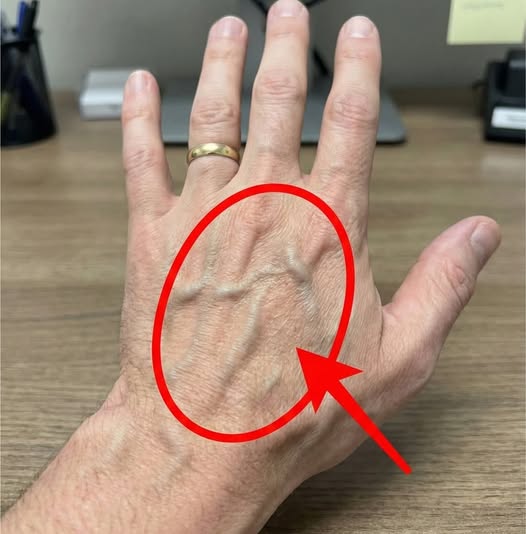
Visible veins are usually harmless, linked to body type, age, exercise, or genetics. The real concern is when they’re paired with pain, swelling, or skin changes.
Notice sudden changes in your veins or discomfort? Don’t wait—check in with a healthcare professional and keep your circulation in check.