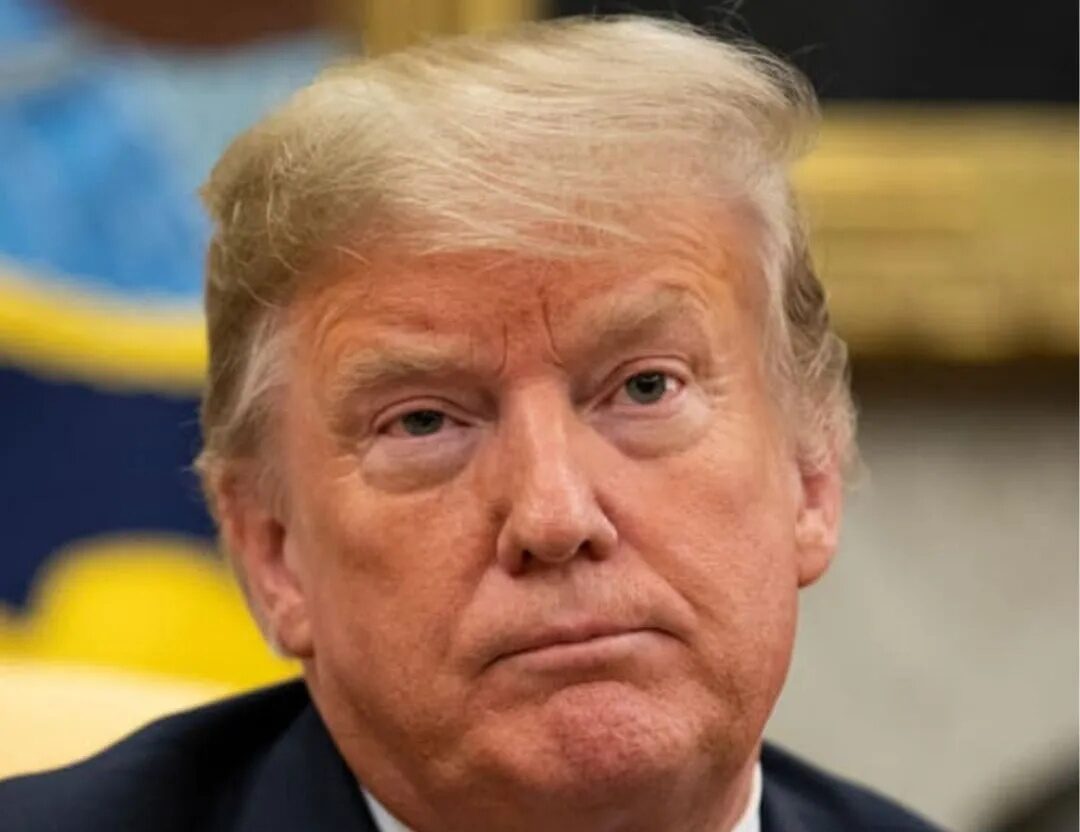
The room froze for a beat. Then laughter arrived—slightly off, hesitant, unsure. Donald Trump had just called himself “the bottom of the totem pole.” On the surface, it sounded like a throwaway joke, another example of his familiar showman humor. But something didn’t land quite right.
Trump is rarely anything but dominant, central, and in control. His persona thrives on strength, inevitability, and authority. So when he hinted at being at the bottom, it cracked the usual performance—even if only for a second.
The audience’s laughter reflected that unease. They weren’t laughing at a punchline; they were trying to smooth over a subtle tension. Then came the follow-up: if he ended the war, “maybe they’ll let me in.” Delivered as a joke, it carried weight. Who were “they”? And what did it mean to be “let in”?
The line highlighted Trump’s complex relationship with power and validation. Even as an outsider railing against elites, he remains conscious of who controls acceptance. Being “let in” suggested acknowledgment from forces beyond his command—a desire for recognition hidden beneath humor.
That moment captured a tension central to his political identity: positioning himself as the outsider while simultaneously seeking approval from the very systems he criticizes. The humor exposed status anxiety masked by bravado, revealing an unguarded awareness of hierarchy and judgment.
Continue reading on next page…