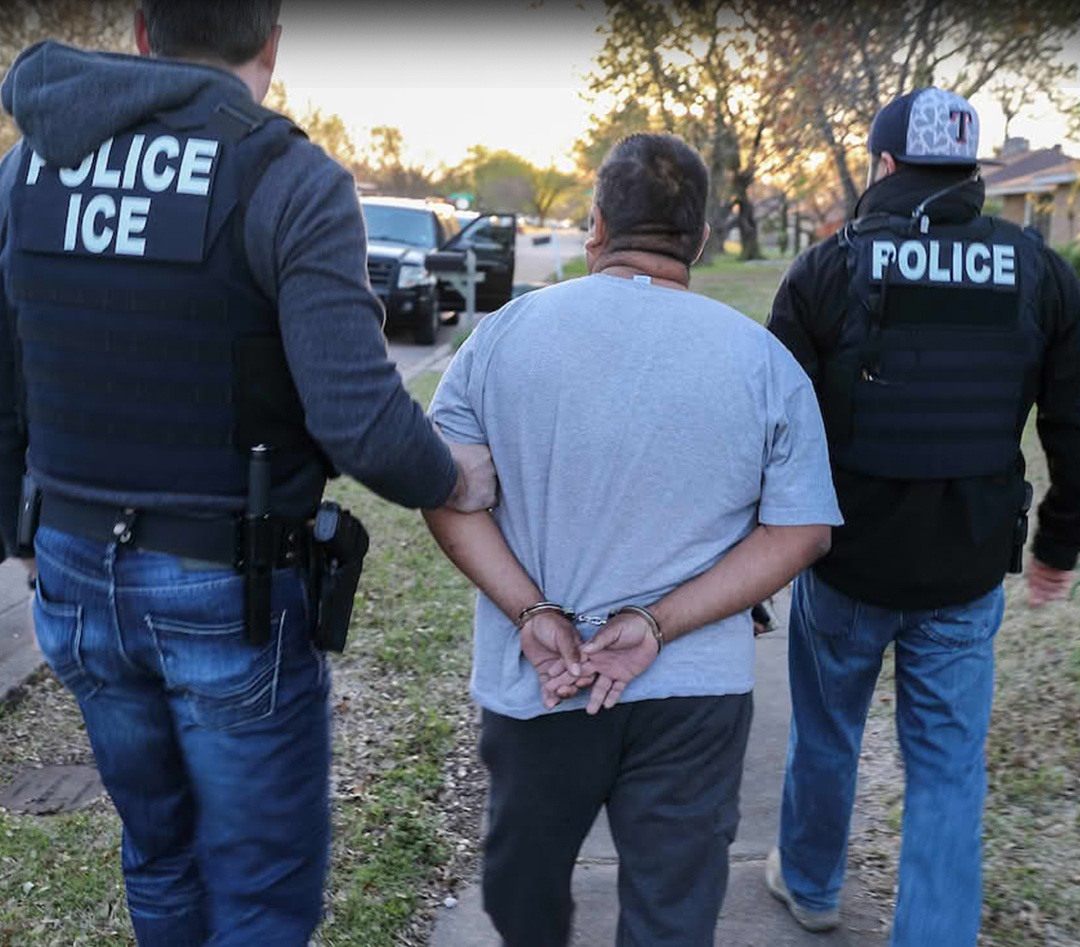
Breakdown of ICE Arrests
The internal statistics offer a more detailed look at who ICE has arrested in its nationwide operations:
- Violent crime records: Less than 14% of those arrested had charges or convictions for violent offenses such as homicide, robbery, or sexual assault.
- Criminal history overall: About 60% of those arrested had some type of criminal charge or conviction, but many of these were for nonviolent offenses such as DUI, burglary, or drug crimes.
- No criminal record: Nearly 40% of individuals arrested did not have a known criminal record and were taken into custody for civil immigration violations, including unlawful presence in the United States or overstaying a visa.
The figures also show that less than 2% of arrests involved homicide or sexual assault charges, and about 2% involved alleged gang membership.
Context and Administration Statements
President Trump and senior administration officials have often described ICE’s enforcement efforts as targeting “the worst of the worst”—a phrase commonly used to refer to immigrants who pose the greatest public safety risk. Internal figures suggest that while ICE’s overall arrest numbers have increased significantly, a smaller share of those arrests involved individuals with violent crime histories compared with prior years.
DHS has pushed back on some interpretations of the statistics, arguing that categorizing offenses as “nonviolent” does not mean individuals do not pose public safety concerns. DHS officials have highlighted that the broader set of criminal charges includes a range of offenses that federal authorities consider serious.
Broader Enforcement Trends
The internal data comes amid ongoing debate over immigration enforcement policies and priorities. ICE arrest operations during this period expanded into interior U.S. locations and involved a mix of individuals with different types of legal histories. Independent analyses of related data have also shown shifts in the composition of those in ICE custody.
Public discussion around these enforcement figures continues, with advocates and policymakers examining how immigration laws are applied and what criteria are used when prioritizing arrests and removals.