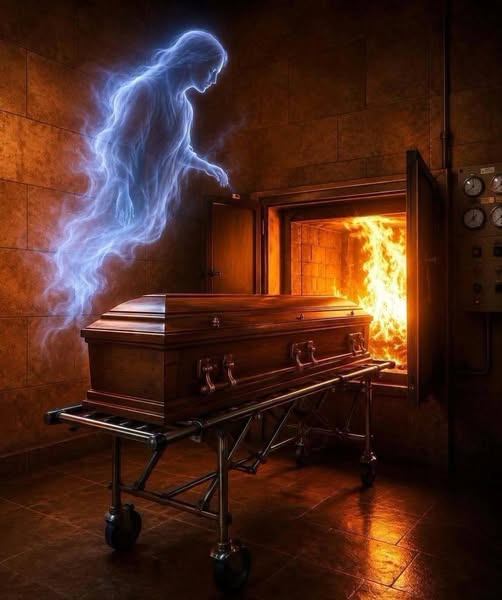
Is Cremation a Sin?
What the Bible Says About Achan, Saul, and Resurrection
Is Cremation a Sin in Christianity? What the Bible Says About Burial and Resurrection?
For Christians deciding between burial and cremation, one question can bring considerable anxiety: Is cremation a sin according to the Bible?
Some believers have been taught that cremation is forbidden by God or that choosing it could interfere with the resurrection of the dead. Others believe that cremation is a personal decision that should be guided by faith, conscience, family circumstances, and church tradition.
The Bible does not contain a direct, universal command forbidding cremation. Nor does it explicitly state that burial is the only acceptable way to care for a deceased person's body. Instead, Scripture presents burial as the dominant practice, while Christian traditions interpret its significance in different ways.
Understanding the biblical examples, the history of Christian burial, and the doctrine of resurrection can help families approach this decision without unnecessary fear.
What Does the Bible Say About Cremation?
Burial is the most familiar way of caring for the dead in the Bible. Abraham purchased a burial place for Sarah in Genesis 23, and many biblical figures were buried in tombs or family graves.
The burial of Jesus is especially important to Christian faith. According to the Gospels, Jesus' body was placed in a tomb after his crucifixion, and the tomb was later found empty.
For Christians, this account connects burial with the central promise of resurrection.
The New Testament also uses burial as a spiritual image. In Romans 6:4, Paul describes believers as being buried with Christ through baptism so that they may walk in newness of life.
These passages help explain why burial became such a powerful symbol in Christian tradition. They do not, however, establish an explicit rule that every Christian must be buried rather than cremated.
The distinction between a biblical pattern and a direct command is important when considering whether a particular practice is sinful.
Does the Bible Describe People Being Burned After Death?
Yes. Several biblical accounts mention the burning of human bodies, but they occur in specific circumstances and should not automatically be treated as instructions about modern cremation.
 Up Next: Page 2 of 5
In Joshua 7, Achan and his household face judgment after Achan's disobedience....
A different example appears in 1 Samuel 31. After Saul and his sons die in battle, the Philistines mistreat their bodies. The...
Continue Reading